The Master Key: Why Music Reaches Me When a Hug Cannot

The Master Key: Why Music Reaches Me When a Hug Cannot

Writer’s note: After a long, unexpected break from blogging, I am stepping back into this space. Thank you to those who are here to listen, connect, and explore the deep complexities of the autistic mind with me.

So, Do you know what frisson is?

I didn’t know until I was searching for an explanation of an emotion I call “deeply crying inside.” This feeling always gets triggered when I listen to the violin and contrabass. I get the exact same reaction when listening to a live choir, to the extent that I could literally cry.

This profound connection to sound was probably one of the reasons why I was a DJ for over a decade; I realized this emotional energy was transferable to a crowd. Maybe I even need to start doing that again, while I still have the full use of my ears…

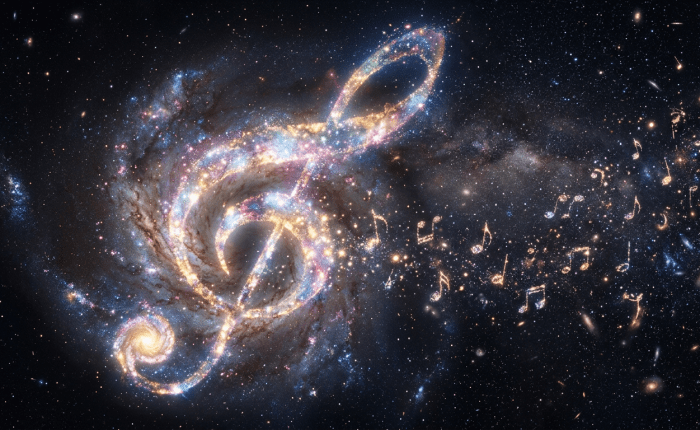
High-functioning autism often causes an intense emotional and physical reaction to music known as frisson. This is characterized by hyper-connectivity between the auditory and emotional processing centers in the brain. Stringed instruments like the contrabass and violin mimic human vocal emotional frequencies, triggering this deep reaction and leading to profound emotional releases. It is most often triggered by strings and choral music. Specific musical elements, such as the human vocal range (150–4,000 Hz), tense appoggiaturas (notes that create temporary musical tension), and resonant low frequencies, trigger these profound responses. Tracks like Max Richter’s “On the Nature of Daylight” and Hans Zimmer’s “Time” utilize these exact techniques to create intense, “bittersweet” experiences.


So, is it crying of happiness or because it just sounds sad?

It can actually be both at the same time, or something even deeper.
This feeling often blurs the lines between joy and sorrow. Here is why the brain processes it this way:

1. High Aesthetic Appreciation [1, 2, 3]

* It is often “crying of happiness” from pure beauty.
* Psychologists call this a “kama muta” experience.
* It means being deeply moved by a connection.
* The brain experiences a profound awe of the sound.
* This intense awe overflows into physical tears.

2. The Comfort of Sad Music [4, 5, 6, 7, 8]

* The music may sound objectively sad or melancholic.
* Sad music triggers the release of prolactin.
* Prolactin is a hormone that consoles and calms.
* It mimics the feeling of being wrapped in a hug.
* It creates a safe space to feel deep emotions.

3. Emotional Complexity

* Autistic individuals often experience emotions with immense intensity.
* It’s feeling “bittersweetness” in its purest form.
* It is a mix of grief, beauty, nostalgia, and wonder.
* My DJ background trained my brain to catch these nuances.

Here is a short, punchy section formatted perfectly for your blog. You can copy and paste this right before your final paragraph or add it as a new numbered section.


How the AuDHD Mind Amplifies Frisson

Having a combined blueprint of both Autism and ADHD (AuDHD) creates a perfect storm for experiencing music with this level of physical and emotional intensity. It works through three distinct mechanisms in the brain:

  • The Dopamine Reward Spike: ADHD minds constantly seek dopamine. Powerful musical transitions, like a sudden shift from a low contrabass to a soaring violin, trigger a massive, rapid release of dopamine in the brain’s reward centers, heightening the physical “chills.”

  • Hyper-Focused Auditory Processing: The autistic brain processes sensory data with incredible depth and detail. When listening to a complex arrangement like a symphony, your brain hyper-focuses on the individual layers, frequencies, and vocal nuances that neurotypical ears often filter out.

  • The Emotional Accelerator: While autism provides the deep, direct wiring between sound and emotion, ADHD acts as an emotional accelerator. It makes the transition from hearing a note to physically feeling it happen almost instantly, turning a psychological appreciation of beauty into an immediate physical release of tears.

Merely a track of a gaming score has triggered this response yet again, and that’s how I ended up writing about this on my blog after so many years of silence. I am quite literally feeling the collective human experience through sound. Maybe music has always been my better way to communicate with the world?

Hopefully you enjoy this music as I have enjoyed it myself: https://www.youtube.com/watch?v=J6FTmuf-6mY

This YouTube video is the stunning A Plague Tale Requiem: Symphony concert. It features breathtaking, melancholic performances by world-class cellist Eric-Maria Couturier and the two-time Grammy Award-winning Estonian Philharmonic Chamber Choir, conducting the brilliant compositions of Olivier Derivière. This specific piece is a masterclass in triggering frisson through deep strings and haunting choral arrangements.

[1] [https://www.psychologytoday.com](https://www.psychologytoday.com/us/blog/the-doctor-is-out-and-about/202602/do-happy-tears-exist)

[2] [https://www.thetimes.com](https://www.thetimes.com/life-style/health-fitness/article/science-happy-tears-boost-wellbeing-5b6p0qm5x)

[3] [https://www.theaustralian.com.au](https://www.theaustralian.com.au/health/wellbeing/how-our-happy-tears-help-us-pay-it-forward/news-story/efc22822604cb4b174f26b740cd2e0d1)

[4] [https://pmc.ncbi.nlm.nih.gov](https://pmc.ncbi.nlm.nih.gov/articles/PMC4513245/)

[5] [https://www.reddit.com](https://www.reddit.com/r/musictheory/comments/dzc47t/why_does_music_that_is_melancholy_and_depressing/)

[6] [https://journals.sagepub.com](https://journals.sagepub.com/doi/10.1177/2059204320977384)

[7] [https://pmc.ncbi.nlm.nih.gov](https://pmc.ncbi.nlm.nih.gov/articles/PMC4203803/)

[8] [https://www.bbc.co.uk](https://www.bbc.co.uk/learningenglish/features/6-minute-english/ep-191107)

Sensory overload in the supermarket

Sensory overload in the supermarket


There I was, standing perplexed and silent at the AH cashier with four bottles of milk. Just standing there, while my mind was entirely frozen, as I tried (like usually) to focus upon one sound and one task at the same time. This all started when a very loud alarm system went off at another cashier. Continue reading “Sensory overload in the supermarket”

Abilify, my experience – medicine

Abilify, my experience – medicine

This time it was time to try Abilify, a medicine which is usually used to treat schizophrenia and bipolar disorder, but which gave remarkable effects with a certain test-group of people with autism according my psychiatrist. It was given to me to treat anxiety and to get me a little bit more open towards communication with others. Continue reading “Abilify, my experience – medicine”

Agression by NS personnel on train!

Agression by NS personnel on train!

Today something very tragic happened on the train from Antwerpen to Den Haag (train 1222 from 10:36). The conductor went totally out of line, because he assumed I was an east-European guy without a ticket; so it escalated from verbal violence straight to physical violence and an unlawful arrest by the authorities. This is a rough translation.

Part 1: Yelling to me for my ticket?..

Conductor: Hey, you there, Ticket!
Me: Ok, moment <while taking off my backpack>
Conductor: No! TICKET NOW!!
Me: hey! May I maybe take it?!
Conductor: I saw you moving from behind to the front, your TICKET NOW IMMEDIATELY!!
Me: I was searching a place to sit and am having a phone call, what is going on?!? Continue reading “Agression by NS personnel on train!”

The diagnosis of Asperger and ADHD

The diagnosis of Asperger and ADHD

Dissect my brains, I am ready!

Today was that first day of many, which I was really frightened about. I was never that comfortable with people peeking inside my brain, knowing about my past, present and possible future. This research felt exactly the same as to get ready for that colonoscopy from hell and my bowels were already complaining their way out of that office… Continue reading “The diagnosis of Asperger and ADHD”