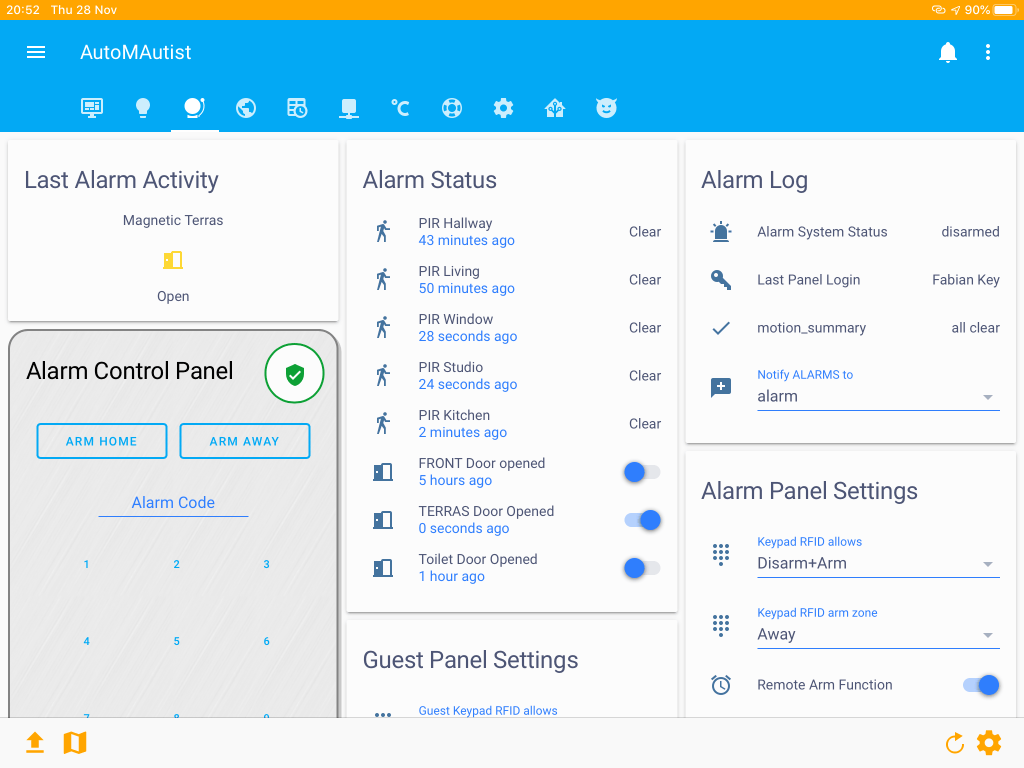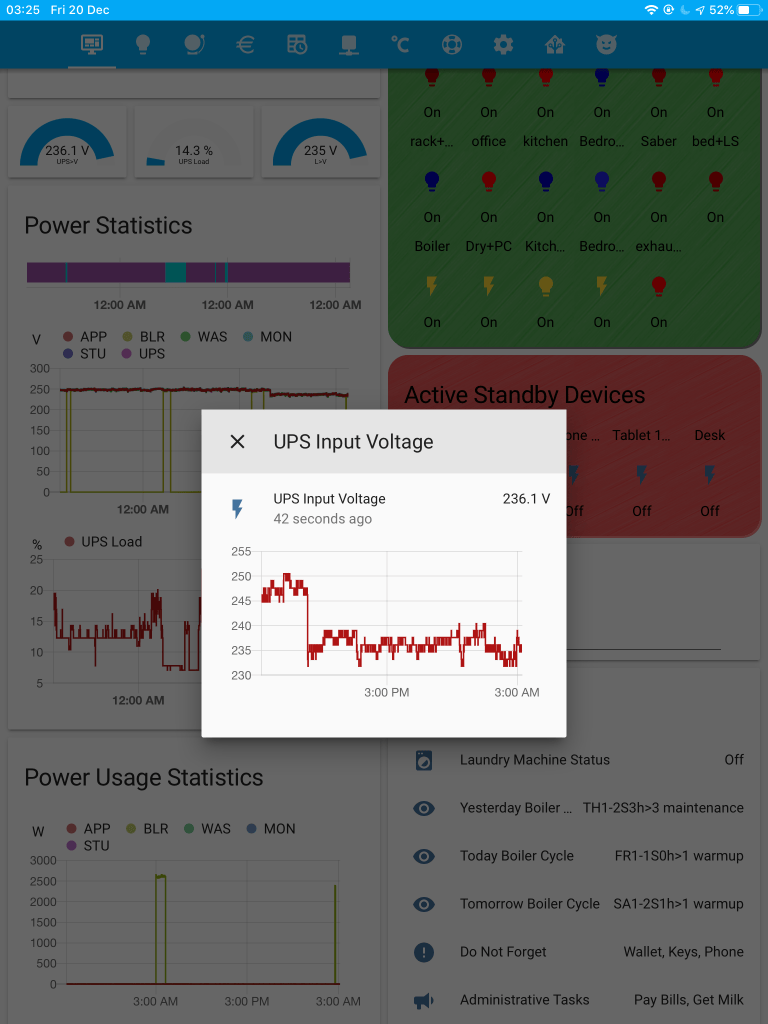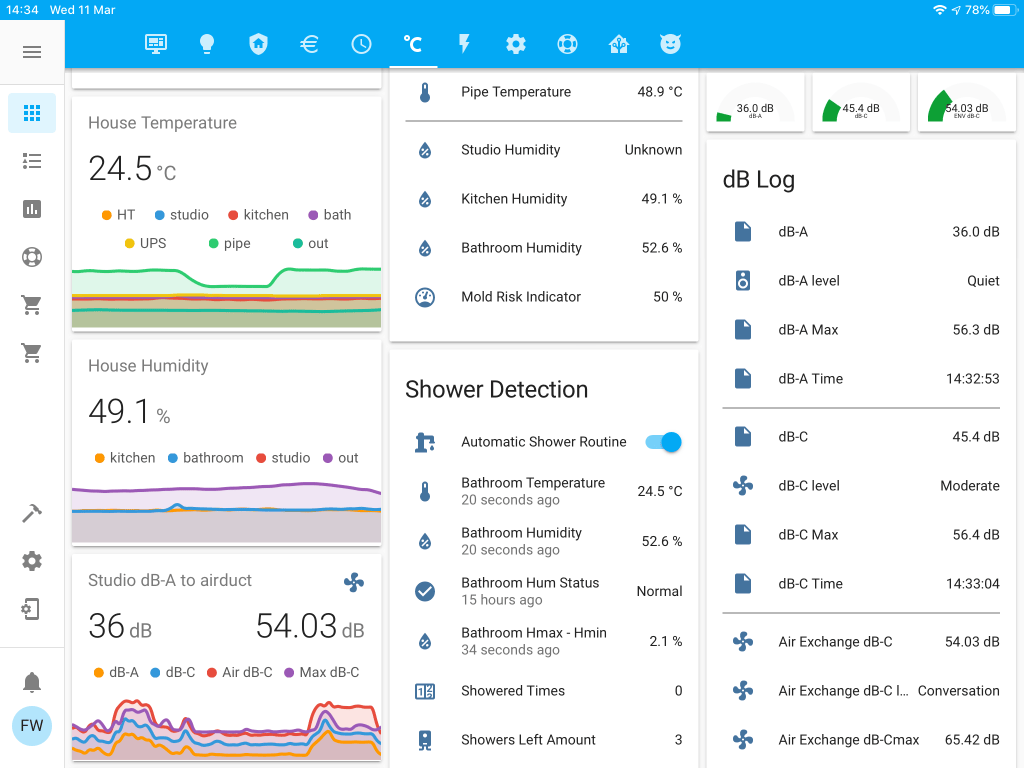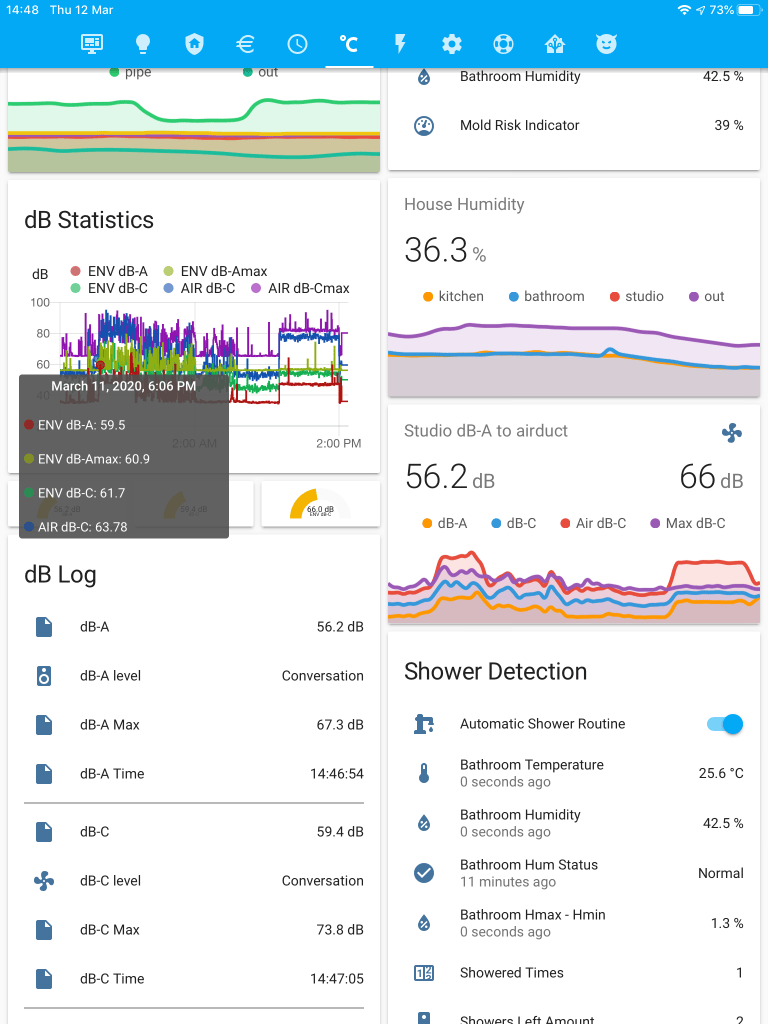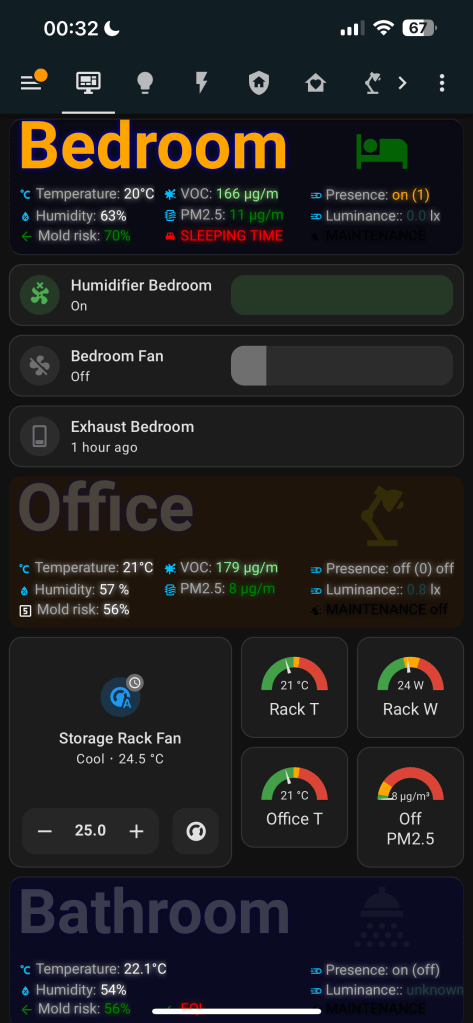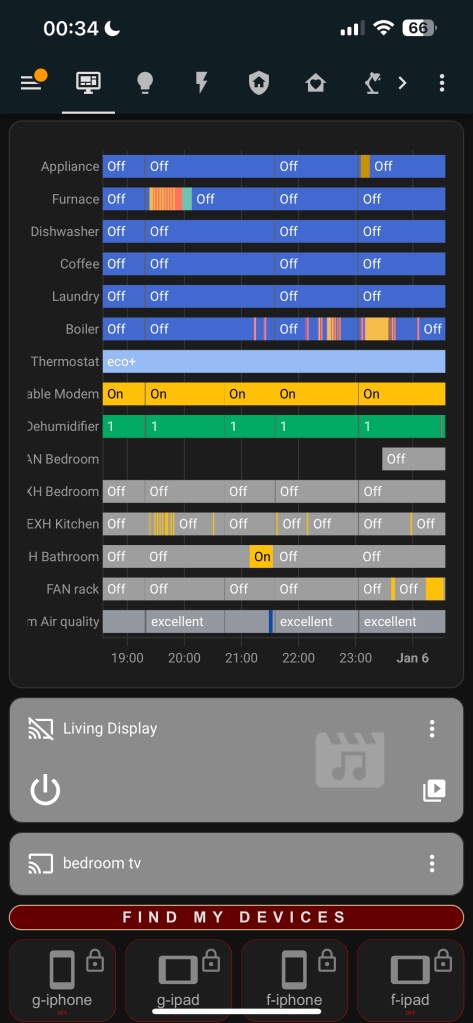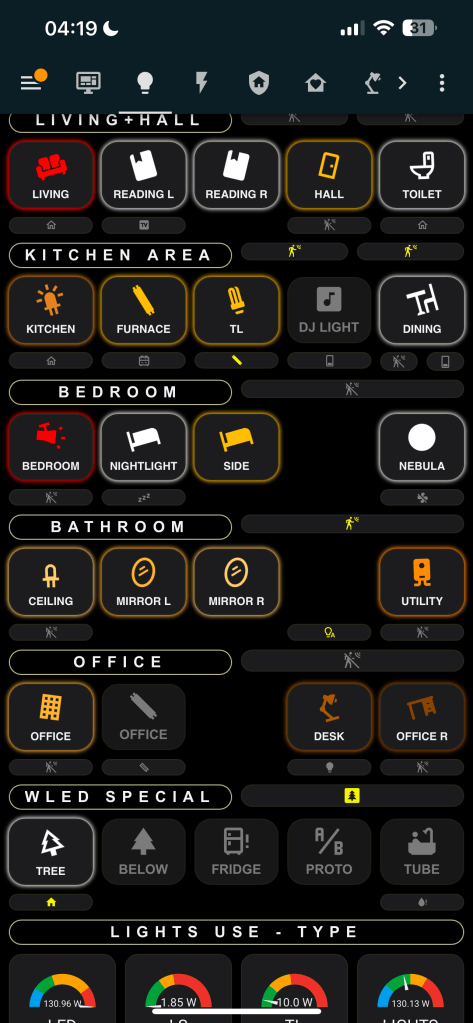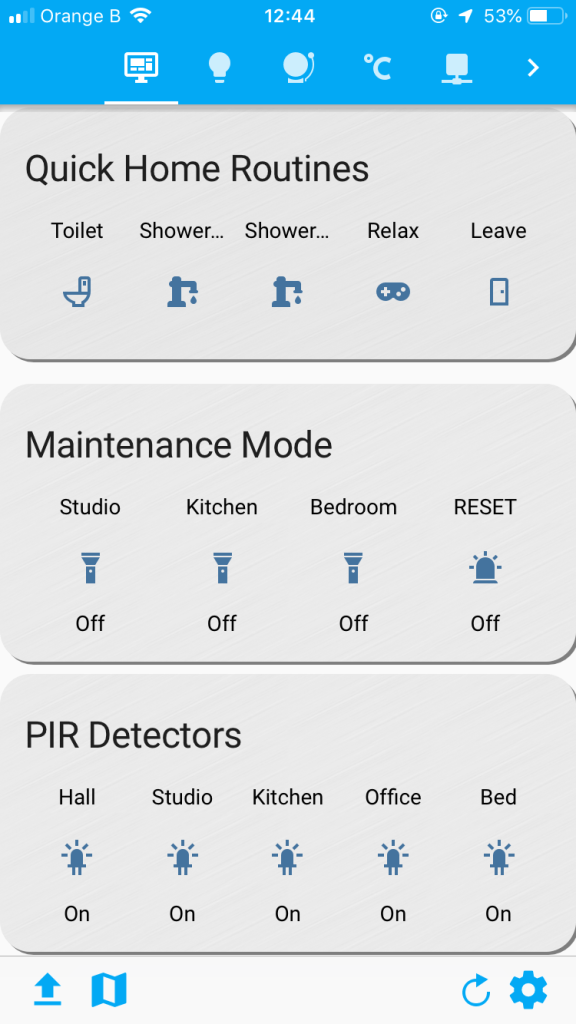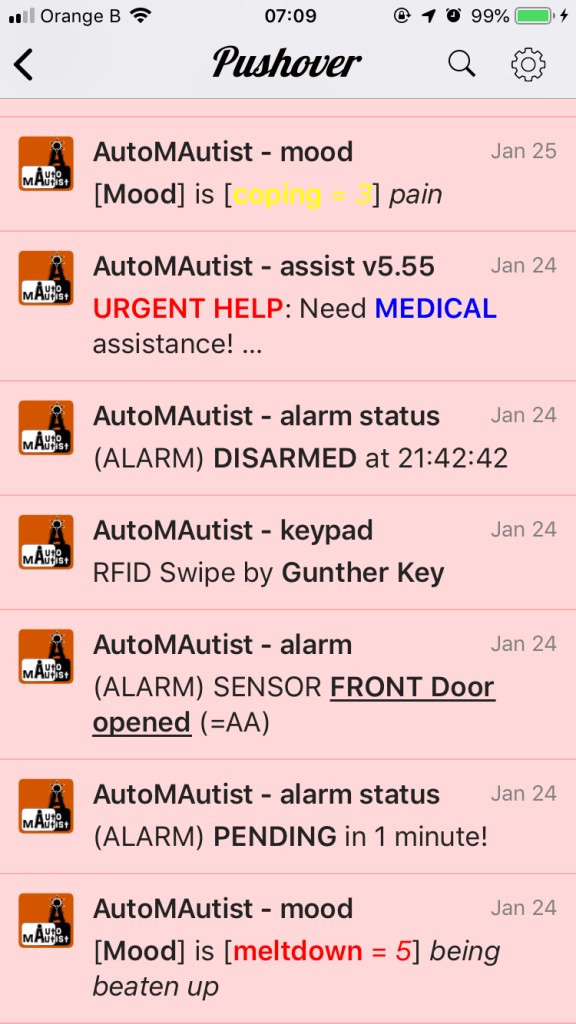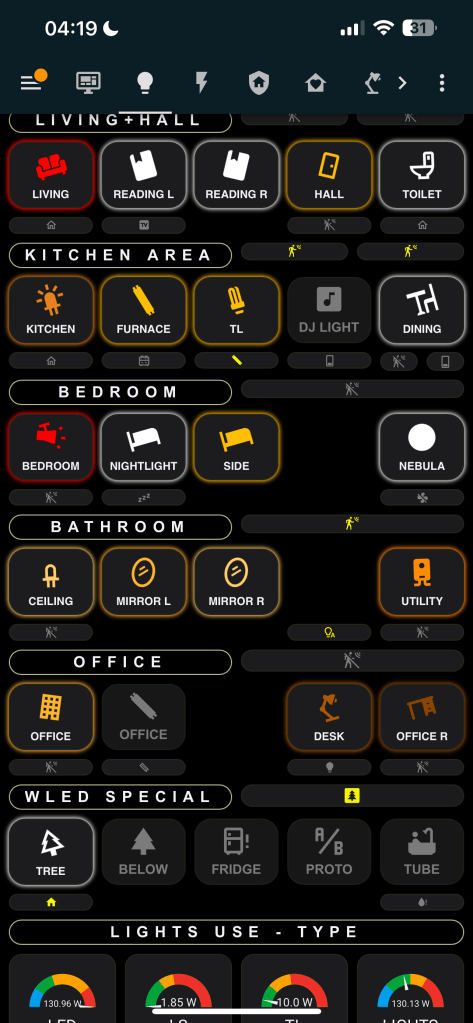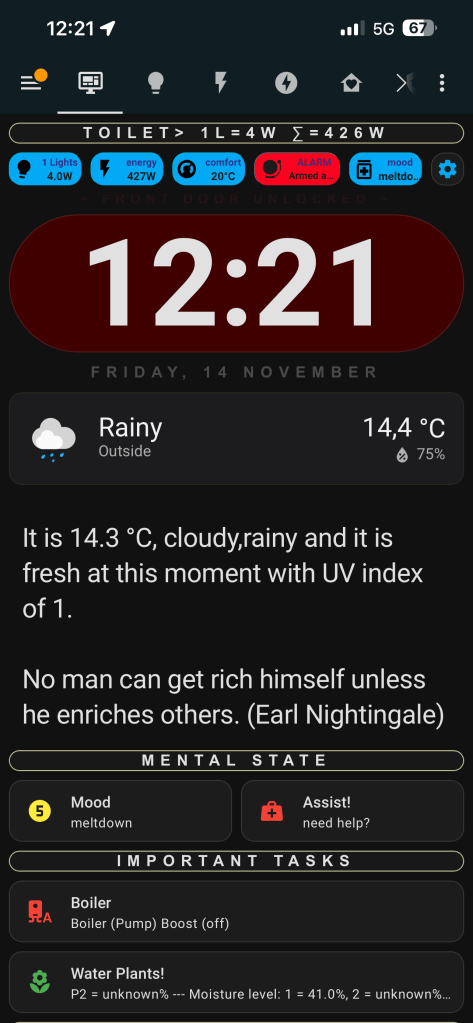
It is finally time to port the tool that has been quietly keeping my neurodivergent operating system from crashing for about fifteen years now. As you might have read in a lot of my other articles, I carry a few built in quirks that completely derail daily life whenever they are left unaccounted for. The first preview (milestone 1) is on-line, ready to be expanded to the entire suite of tools and algorithms for stuff that matters!
My internal sense of time is as good as zero. I know I am aging just like anyone else because time keeps marching forward, yet without daylight outside I could not guess the hour to save my life. This complete blindness to time comes with a wonderful trick where I can stand under a shower for half an hour and swear only ten minutes have passed. The exact same glitch happens while listening to music, gaming or travelling, leaving sunset as my only reliable clock.
That temporal void drops me straight into the classic alley of AuDHD madness, where I show up to an appointment either painfully early or grandiosely too late. Whenever my mind gets too full or overloaded, a thick mental haze slams the brakes on my punctuality no matter how hard I try.
The harder I push to be on time, the harder I fail and the less I like myself for it.
It is no coincidence that around the age of sixteen I started building systems to compensate for my weaker traits.
Getting out of bed for school was a daily nightmare, not only for me, though also for my grandmother trying to pry me out from under the blankets. I have never been a morning person, and the earlier the alarm rang, the deeper it dragged my entire mood state into the floor until I was practically crawling across the carpet. Was it the brutal mornings, the broken sleep or the endless nocturnal pondering while staring at the ceiling? Looking back, it was clearly the hyperactivity I had nowhere to put.
That morning misery drove me to engineer a staged wake up system. First came a small bedside lamp, then a brighter light and finally a 500 watt halogen floodlight aimed straight at my face, which during freezing winters was actually rather pleasant to wait for because of the heat it threw off. That beast was basically the only halogen lamp on the market back then, driven at blazing speed by MS-DOS while I was studying electrical engineering.
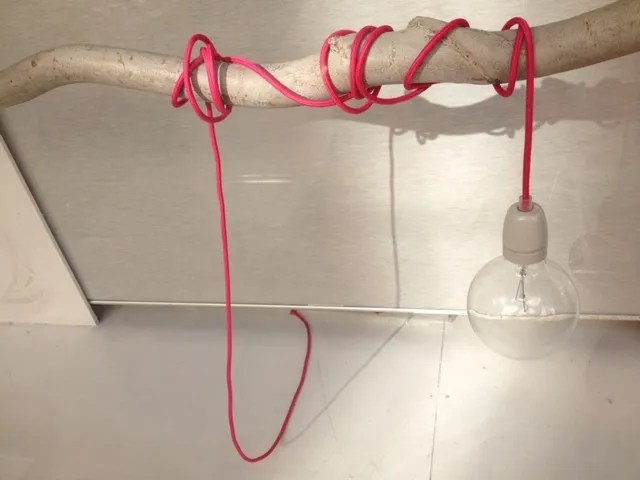
The hardware heart of that setup was a self build kit from Velleman, a bare circuit board and a bag of components you
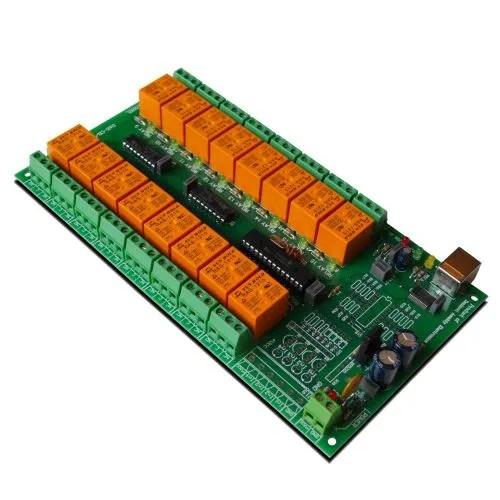
had to solder together yourself. It came with eight relays on board and could be expanded to sixteen. Ever since I started devouring science books and Plato at the local library, I was completely sold on science. My head was bursting with questions about why society treats itself the way it does, why people are so nasty to one another and why they smile politely to your face while stabbing you in the back the second you turn around. I did not learn how to navigate life from the people around me, I found my answers in ancient writings that unlocked a fierce hunger for knowledge and a downright greed for books. Those were dark years because the world ran on unwritten social rules that made zero logical sense to me yet dictated everything. Here at the right you can see a board that looks a bit like that board, because I couldn’t find any photos anymore of that board which I had at that time.
That Velleman relay board worked remarkably well and became the very first digital assistant I ever wrote for myself, coded in Turbo Pascal over an RS 232 serial link. This was the golden era of bulletin board systems, and I ran my own node complete with a FidoNet host number. Turbo Pascal was my gateway into manipulating raw bits, producing a rough scripted program with dynamic parameters that adjusted automatically for school holidays or days off. That trusty Velleman board stayed with me until just a few years ago. Back then electronics were actually built to last, much like heavy vintage stereos and cathode ray televisions.
From 1991 through 1994 my entire journey revolved around teaching Turbo Pascal how to signal me and trigger actions based on whatever mental state I was in. Keep in mind that back then I had no idea I was autistic or had ADHD; I genuinely just thought I was a malfunctioning robot.
No man can get rich himself
unless he enriches others
--- Earl Nightingale
Soon after came my days as a beta tester for OS/2 Warp, an operating system so radically different that I had to
dissect it inside out. True multitasking opened the door to controlling 433 MHz wireless power plugs, which I hacked by soldering wires directly across the buttons of the remote control. To be completely honest, it worked fast and reliably. Those early automations kept my scattered brain on track by flashing room lights two or three times in rapid bursts, long before smart color changing bulbs were even a dream.
Around 1997 I discovered the real deal and developed a serious addiction to Assembler, because you simply cannot get closer to the bare metal of a machine. It looked intimidating on paper yet turned out completely logical once you grasped the registers, requiring barely three to five letter mnemonics before you were flying. Around that same period I dove into C++ and started mastering a bare bone operating system called Slackware Linux, which remains my personal favorite to this day.
By the year 2000 I was replacing heavy C++ routines with nimble shell scripts. Oh, how lovely it would be if every frustrating human problem in life could be solved with a ten line shell script. Scripting was pure addiction because it offered a dozen clever ways to automate repetitive chores, like wresting a Cyrus IMAP mail server into submission without losing hours to manual repetition. That was my true awakening to the raw power of open source software.
I tried hard to automate the daily landmines I kept tripping over whenever my head drifted into the clouds. My early scripts were clumsy because I still did not understand what was happening inside my own skull, only that two wild animals were constantly fighting for the steering wheel. One beast wanted to sprint at full throttle while the other demanded total rest, leaving me paralyzed between raw impulsivity and complete inertia. At twenty three I finally got my ADHD diagnosis, explaining the lifelong hyperactivity and the “ever busy child” label adults had slapped on me for years, no pun intended.
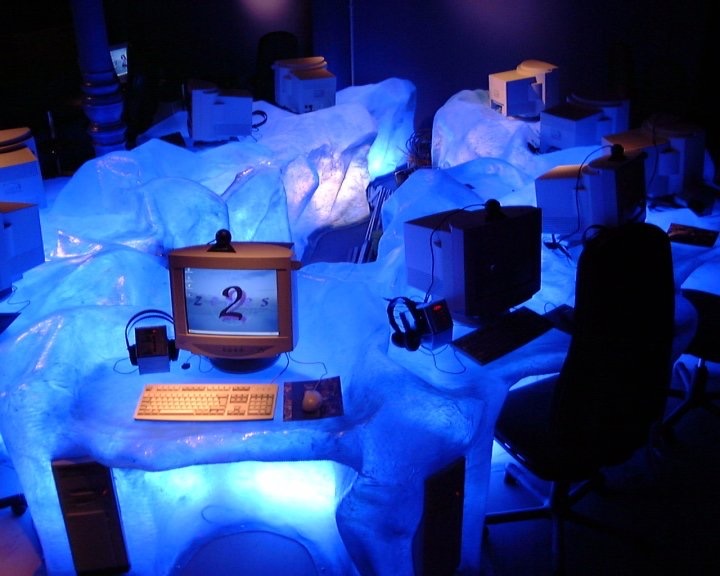
By then I was head over heels in love with Linux, putting it straight to work in a company I co founded with the entirely wrong business partner. Had I known back then that I was autistic, I never would have let things escalate that far, though perhaps that is just hindsight talking. I handled every scrap of ICT, programming, server administration and design, practically living inside a triangle between server racks, my desk and a mattress. Upstairs above our cybercafe sat the servers, the office and my bedroom, while even the kitchen was stacked to the ceiling with motherboard boxes. Looking back it was completely surreal, with the Linux Bible serving as the only scripture that mattered while shell scripts and Perl code kept the whole machine humming.
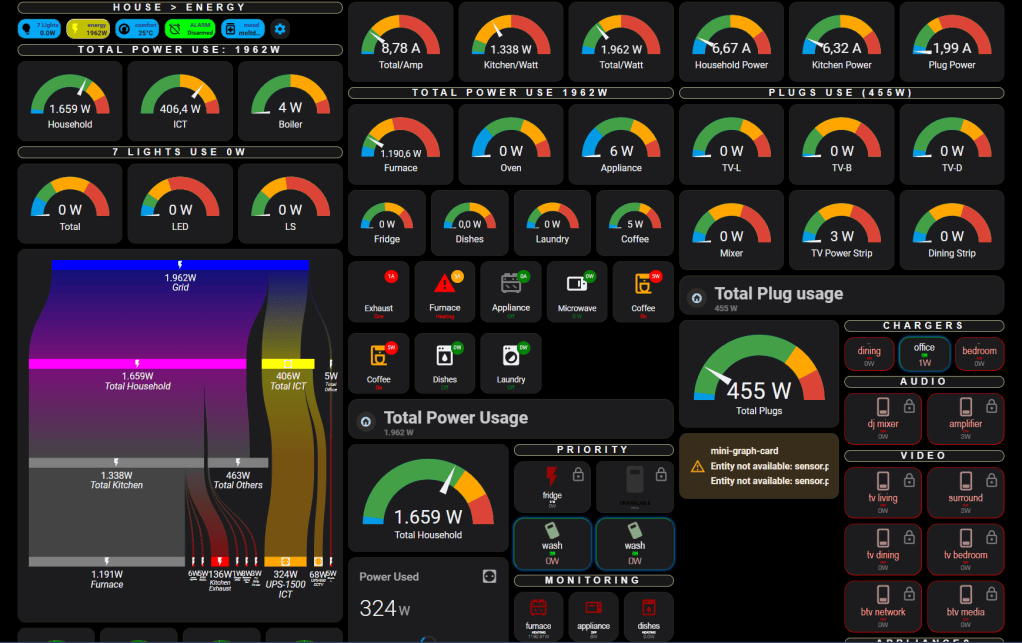
I did not yet have the complete neurodivergent digital assistant that exists today, only a growing collection of raw code experiments testing whether technology could patch my daily blind spots.
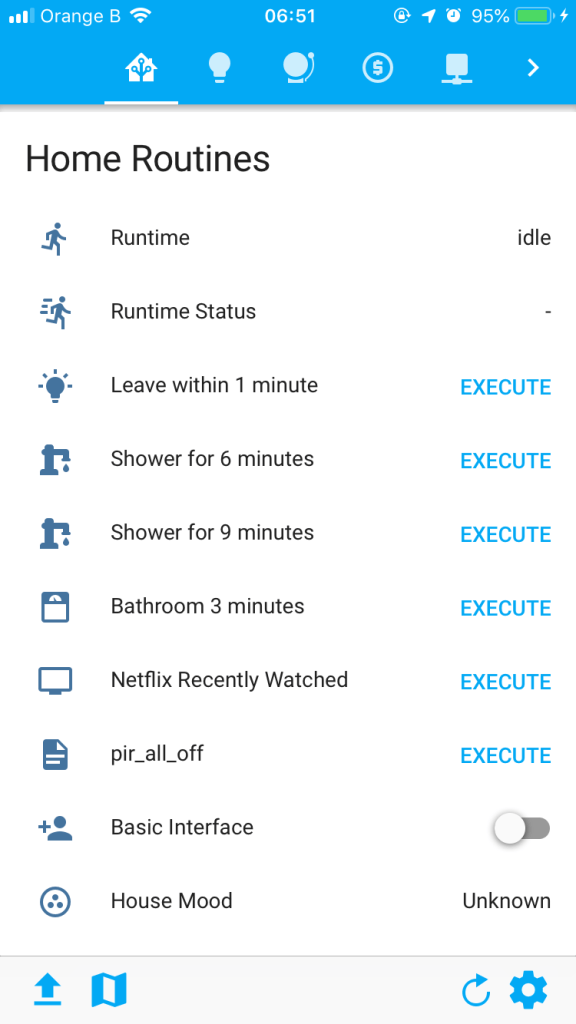
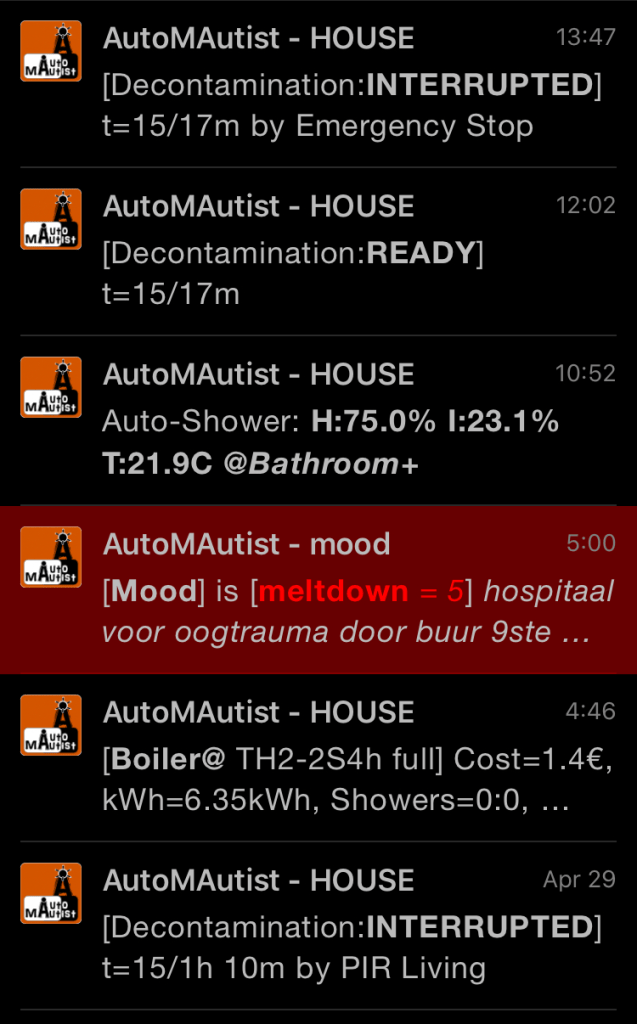
Fast forward to today and those old relay boards and soldered remote controls have multiplied into a full blown addiction. I have tried practically every board on the market until my house ended up with an ESP microcontroller every three to four meters. Running custom ESPHome nodes alongside PIR motion sensors, mmWave presence radars, physical panic buttons, bedside touchscreen kiosks and smart RGB lighting gives my brain the external nervous system it never came with from the factory. When my internal clock vanishes under the shower or my sensory threshold hits red alert, the nearest ESP node quietly dims the room, shifts the lights to a calming wavelength, triggers audio cues or sends a silent telemetry pulse straight into the backend before a full meltdown even gets a chance to detonate. Unlike humans who demand small talk and hidden subtext, a five euro ESP board simply executes its bitmask instructions without judgment, attitude or drama.
Today that fifteen year prototype has evolved into AutoMAutist, a dedicated neurodivergent digital assistant, emergency support card and Home Assistant add on, the prototype is now evolving into a full assistive device, not by AI, but by programming which is optimized for neurodiverse people.
It is being build modular, to be easy adaptable to the extensive spectrum of people with autism, ADHD, OCD, Alzheimer, Parkinston, people with memory problems and so on..
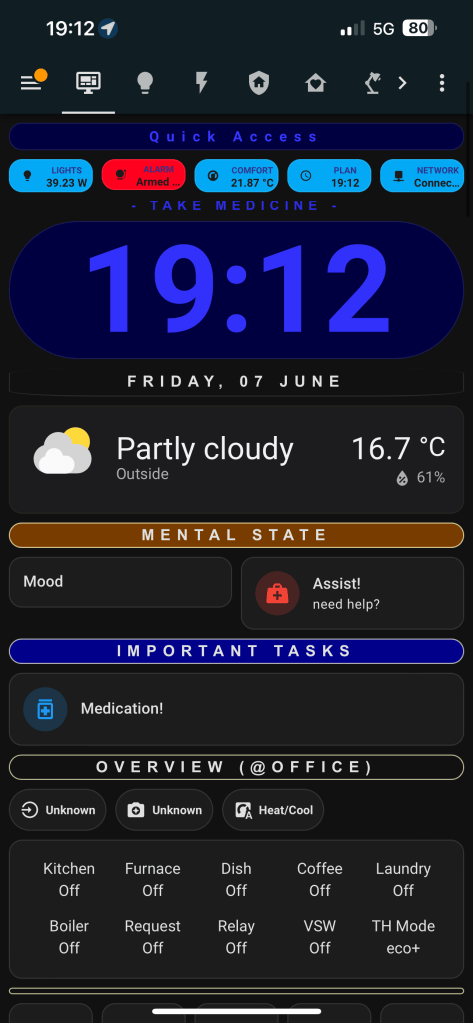
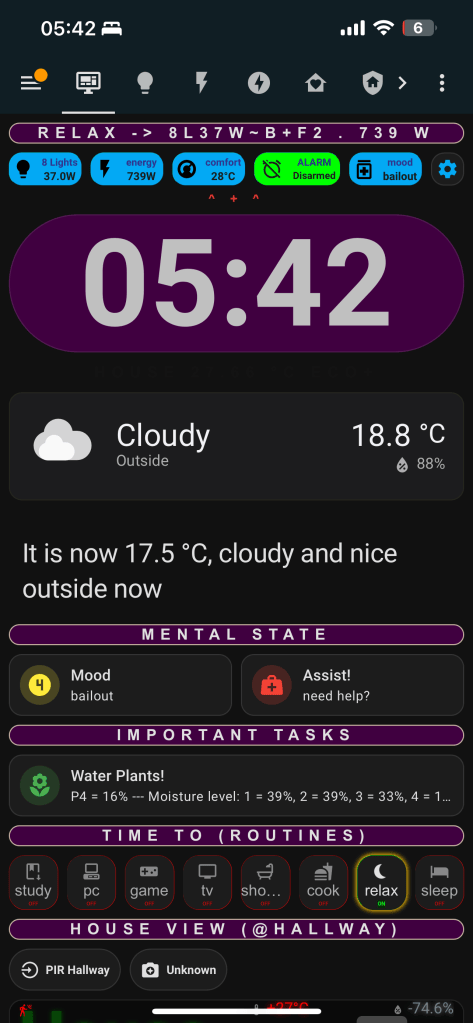
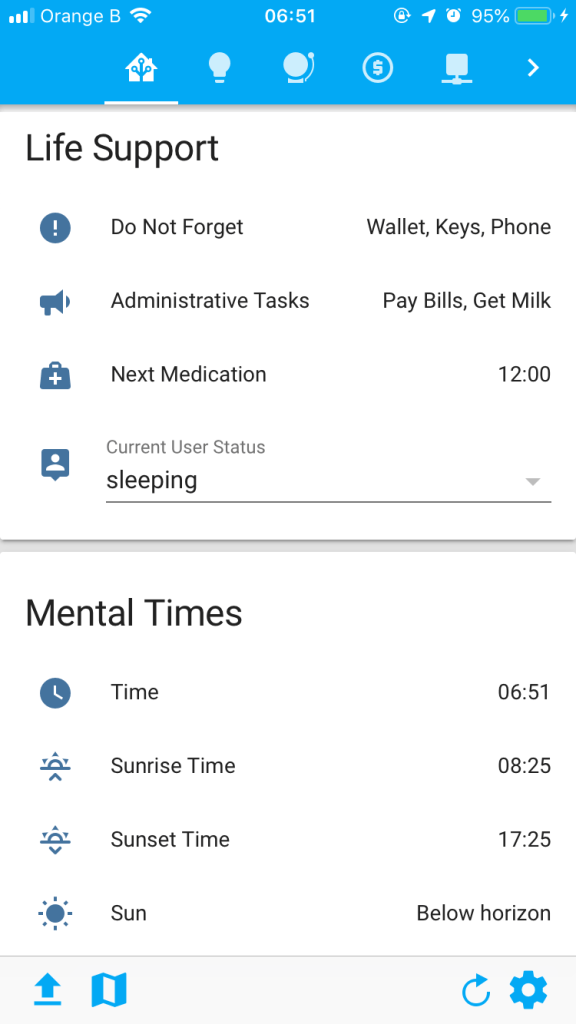
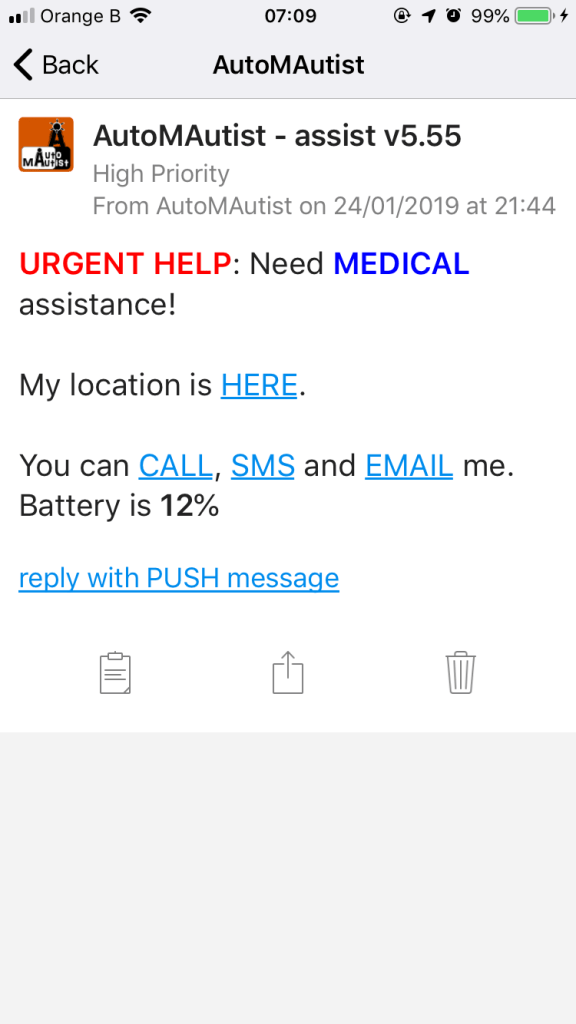
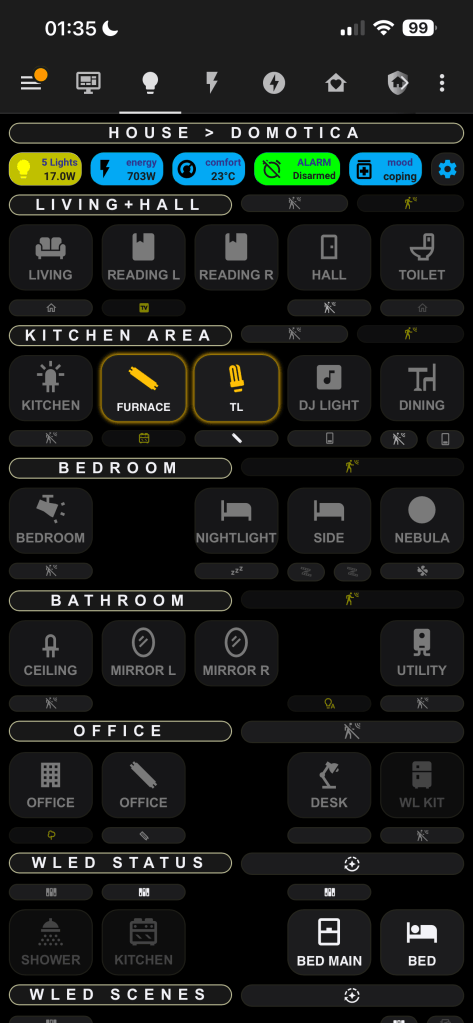
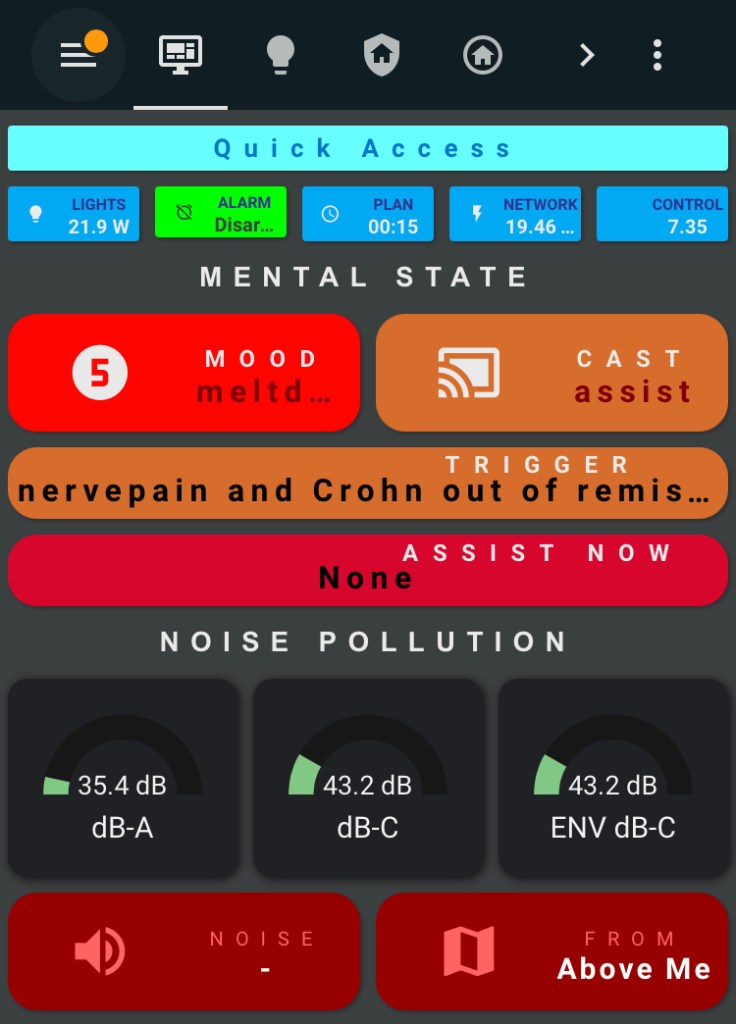
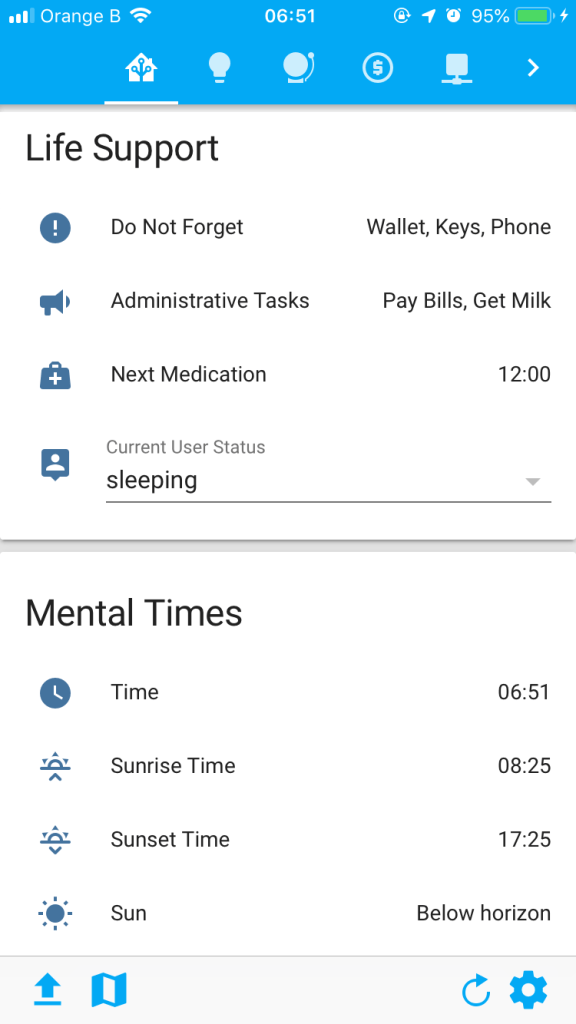
Built across multiple programming languages over the years before landing cleanly in Python and Home Assistant, it acts as a practical digital AuDHD coach, assistant and caretaker designed to bring structure and quality of life where neurotypical routines fall short. Colorcodes mean something, blue is medical, red is important, green is plants, as example.
The entire instance is now ready for a complete architectural rebuild packed with fifteen years of hard earned knowledge, turning a personal survival experiment into a proper public release. When I wrote the first prototype a decade and a half ago, the only goal was to test whether automation could actually keep my own head above water before ever offering it to anyone else. Collecting years of telemetry across the house turned me into an accidental algorithm designer for the invisible everyday tasks that neurotypical brains run on autopilot without breaking a sweat.
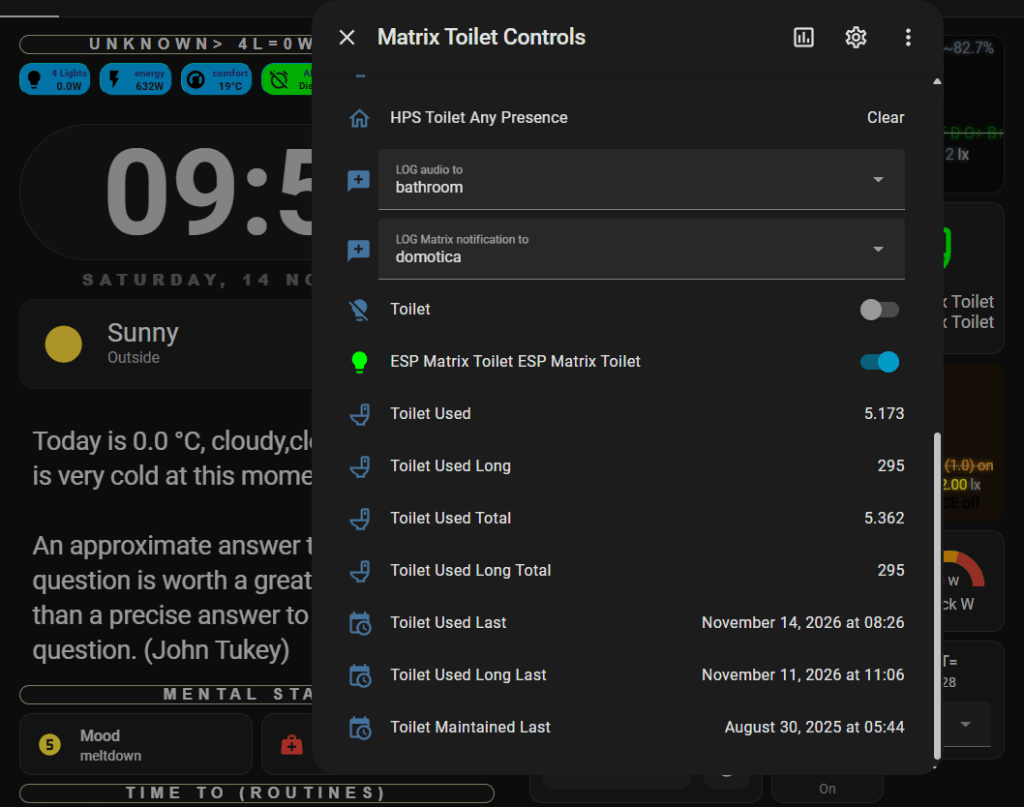
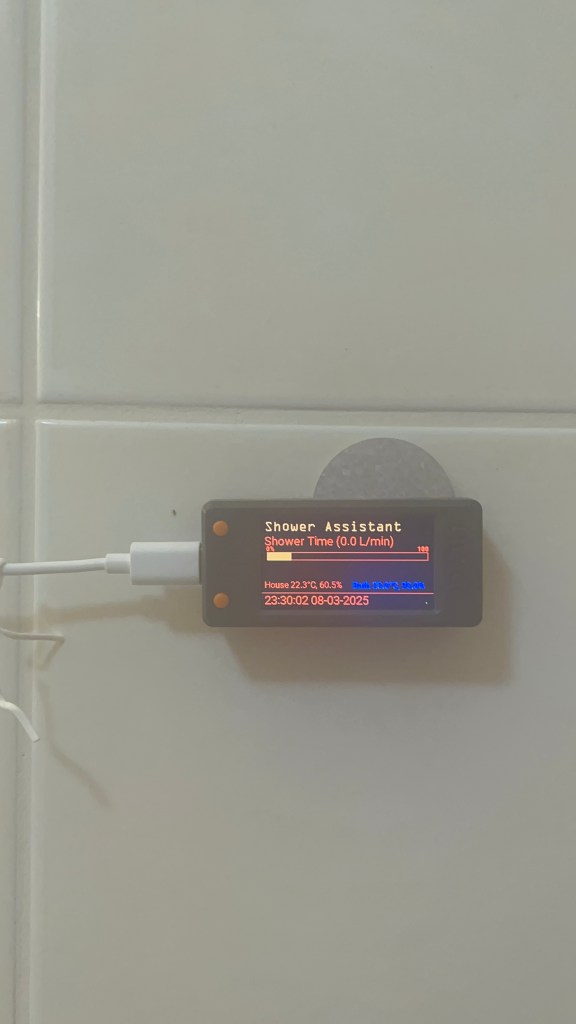
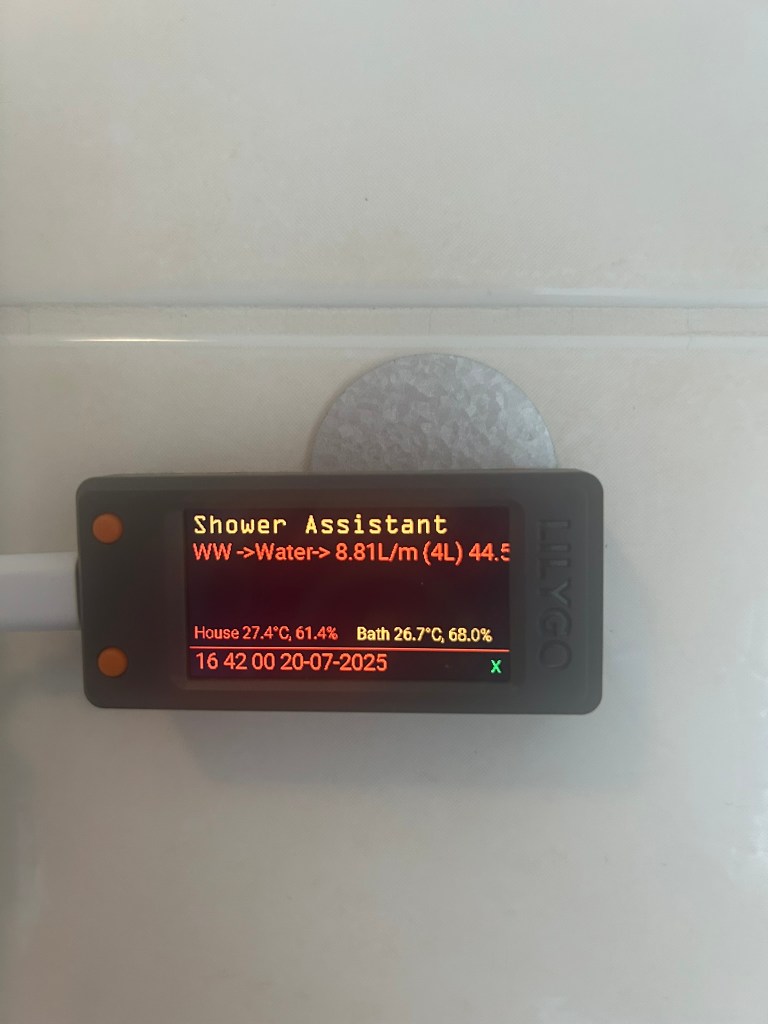
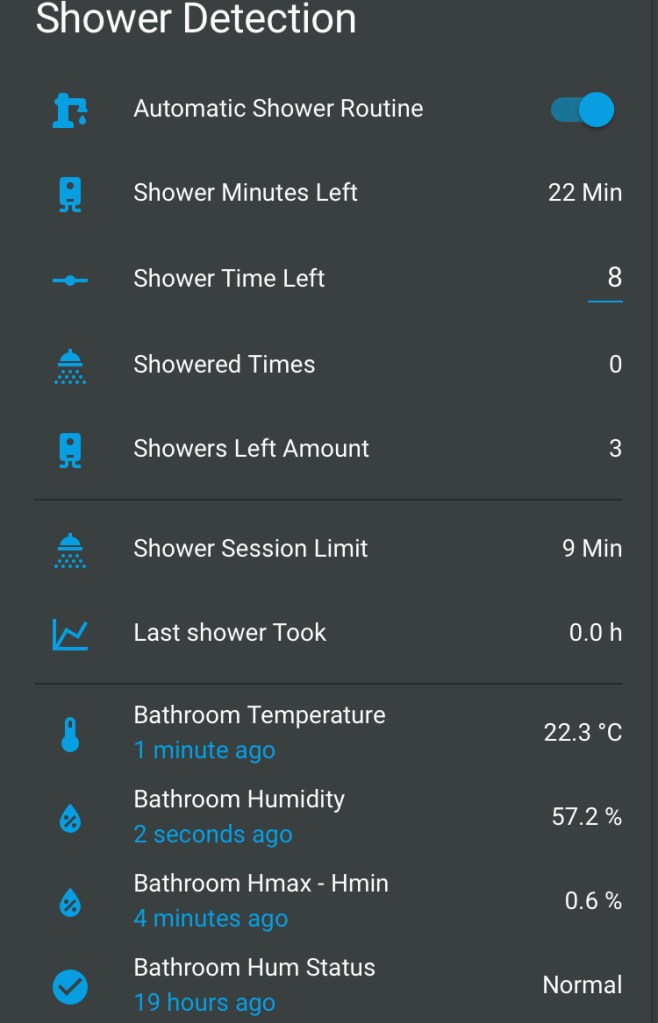
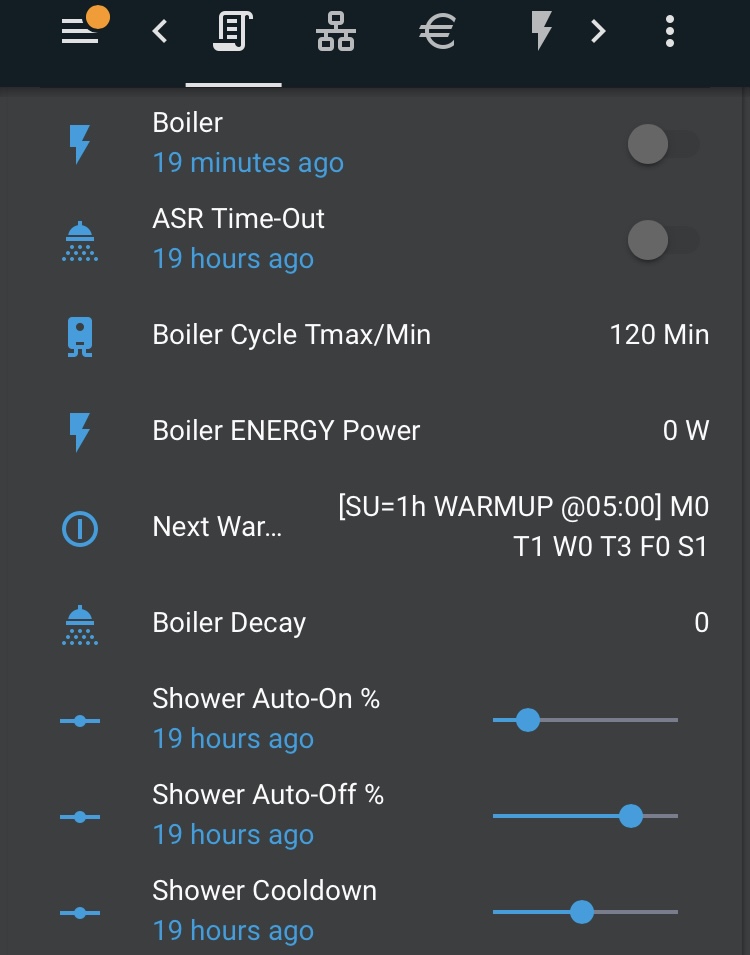
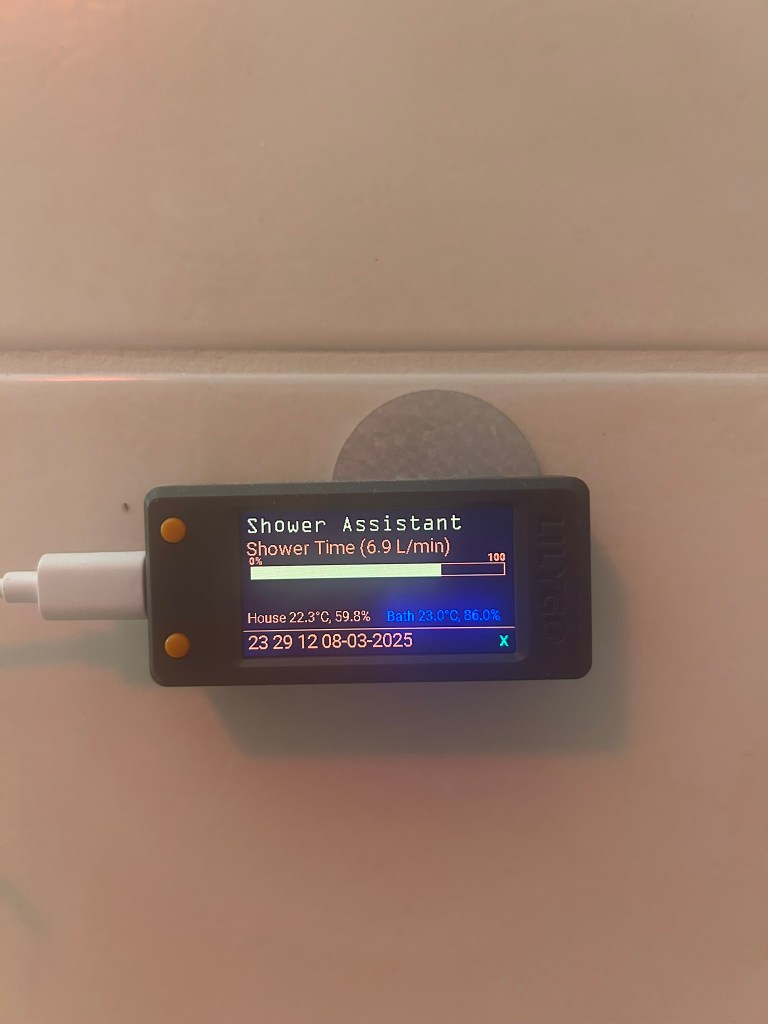
What started as a simple wake up script has grown into a full blown Digital Auti/ADHD Coach, Assistant and Caretaker. It watches the stove so I do not accidentally burn down the kitchen when hyperfocus hijacks my attention, tracks my shower time before half an hour evaporates into thin air and reminds me to take my medication on schedule. When sensory overload climbs into the red zone, it nudges me to decompress and automatically fills the room with calming nature sounds right when they are needed most.
At its core it is a Swiss army knife of scripts, REST servers and digital glue. That glue kept changing shapes for years until I discovered Home Assistant, which finally gave me the solid foundation to build a genuine coach that steps in precisely where my own executive function drops the ball. It acts as an external second brain engineered with raw bit shifting to optimize processes nobody else ever bothered writing algorithms for, keeping me safe, organized and ecological at the same time.
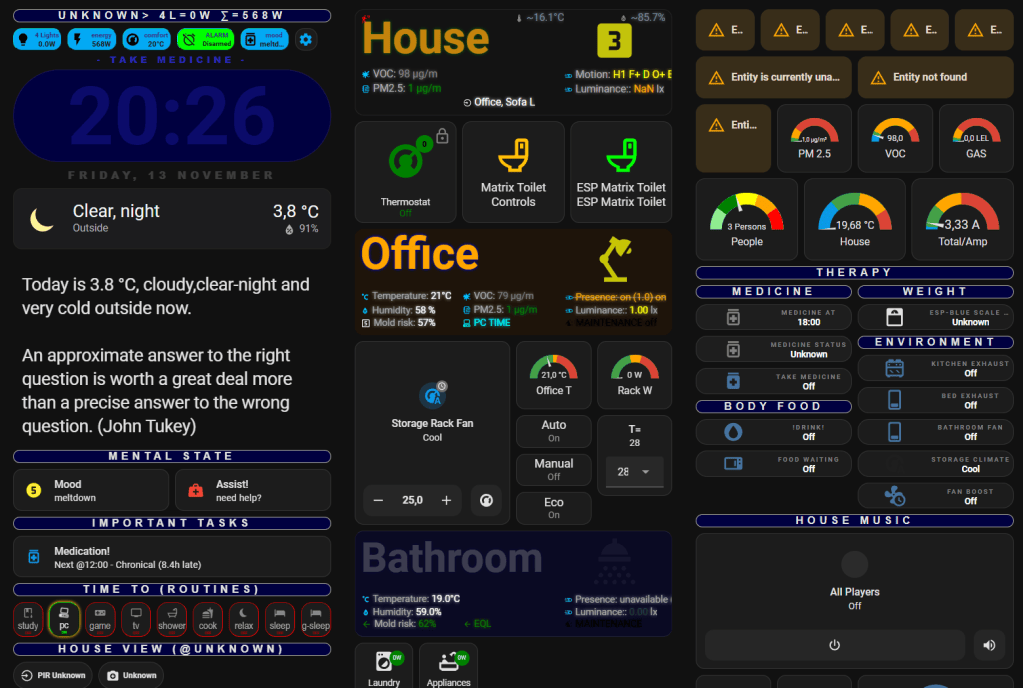
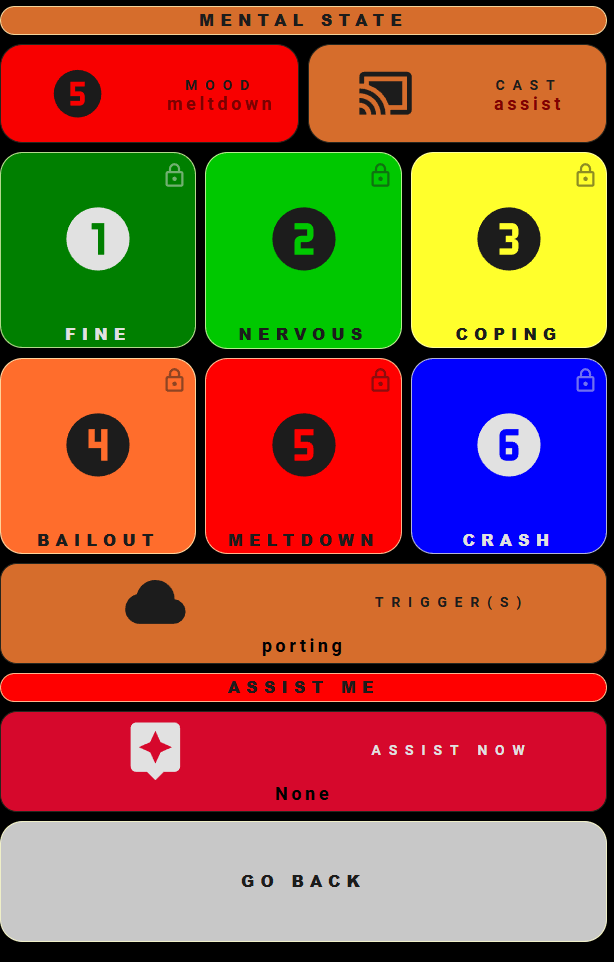
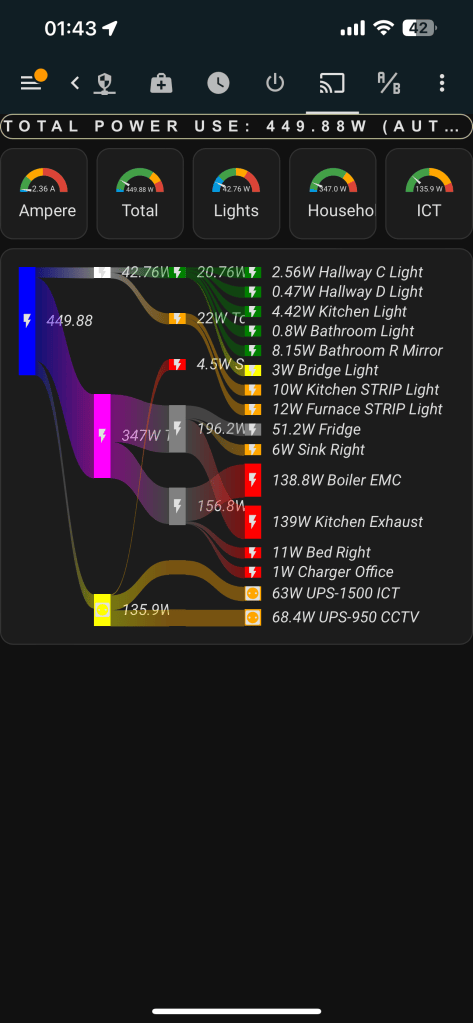
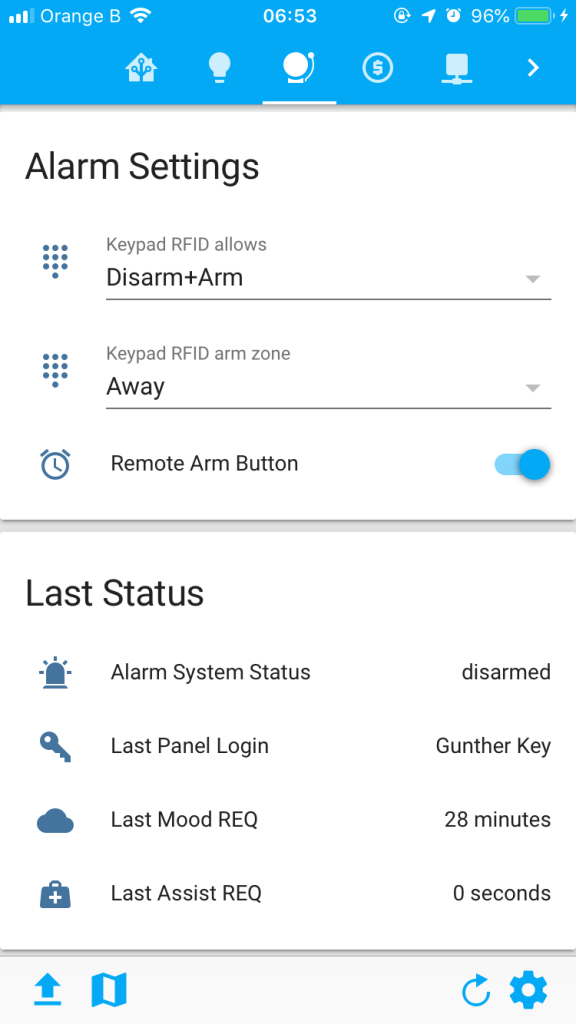
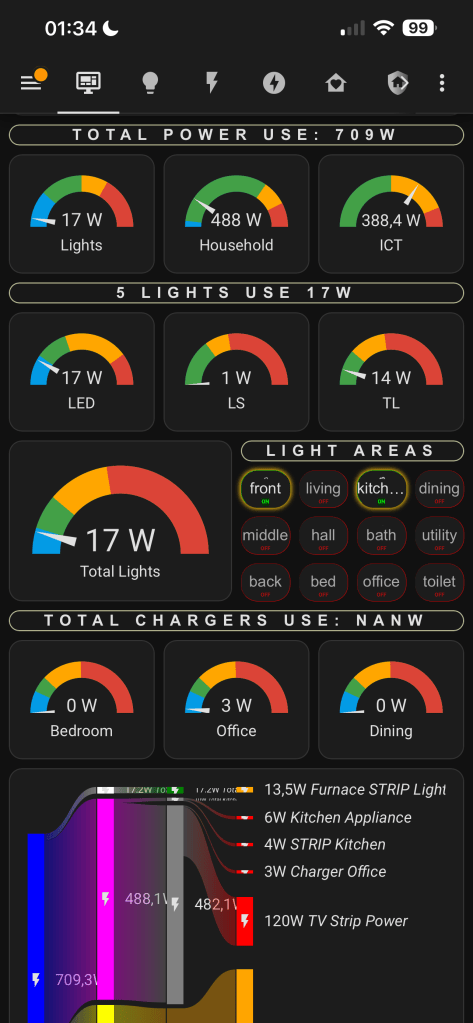
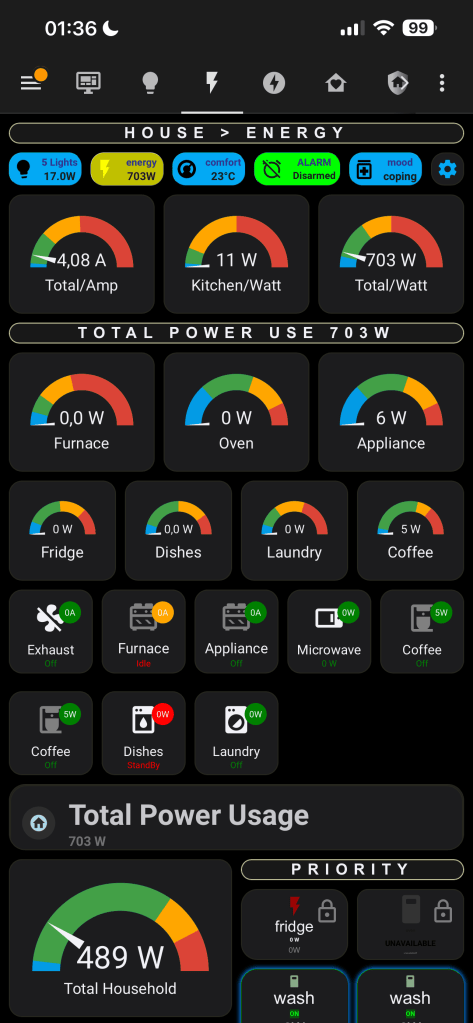
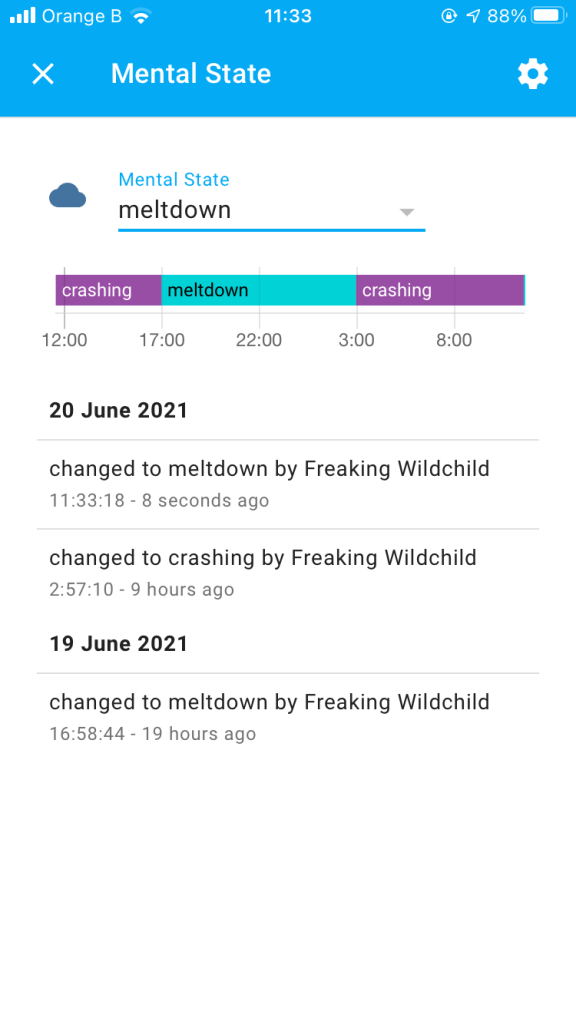
Beyond sensory protection, the suite handles the unglamorous administrative traps of daily life. It tracks exact power consumption in the kitchen to keep me energy conscious, hunts down vampire standby power on the television and accessories and runs a digital invoice management system so bills actually get paid before reminder letters arrive. On the clinical side, it serves as a detailed medical logging engine and a visual emergency dashboard that speaks for me whenever situational mutism locks my voice in a vault, tracking my mental state and patterns for caretakers and doctors alike.
Now comes the fun part: untangling this glorious Frankenstein monster of scripts held together by digital duct tape and porting it into clean, modular pieces that anyone else can install and use too.
Copyright (c) 2009 2026 Gunther Voet. All Rights Reserved.
This program is free for personal use and I truly hope it helps more people find real quality in life by taking away the constant burden of having to think about everything until there is no room left for fun.
Enjoy, Gunther!

AutoMAutist
- Digital Auti/ADHD-Coach, Assistant and Caretaker.
- Copyright (c) 2009-2026 Gunther Voet. All Rights Reserved.
- This program is free software: you can redistribute/modify it under the termsof the PolyForm Noncommercial License 1.0.0.
Licensing & Commercial Policy
Community & Caregivers (PolyForm Noncommercial License): Free to use, self-host, and modify for personal, educational, and non-commercial assistance. Any commercial deployment or paid SaaS hosting requires a separate commercial license from the author.
Commercial & Enterprise: Closed-source integration, corporate deployment, or SaaS monetization without open-sourcing modifications requires a paid Commercial License.
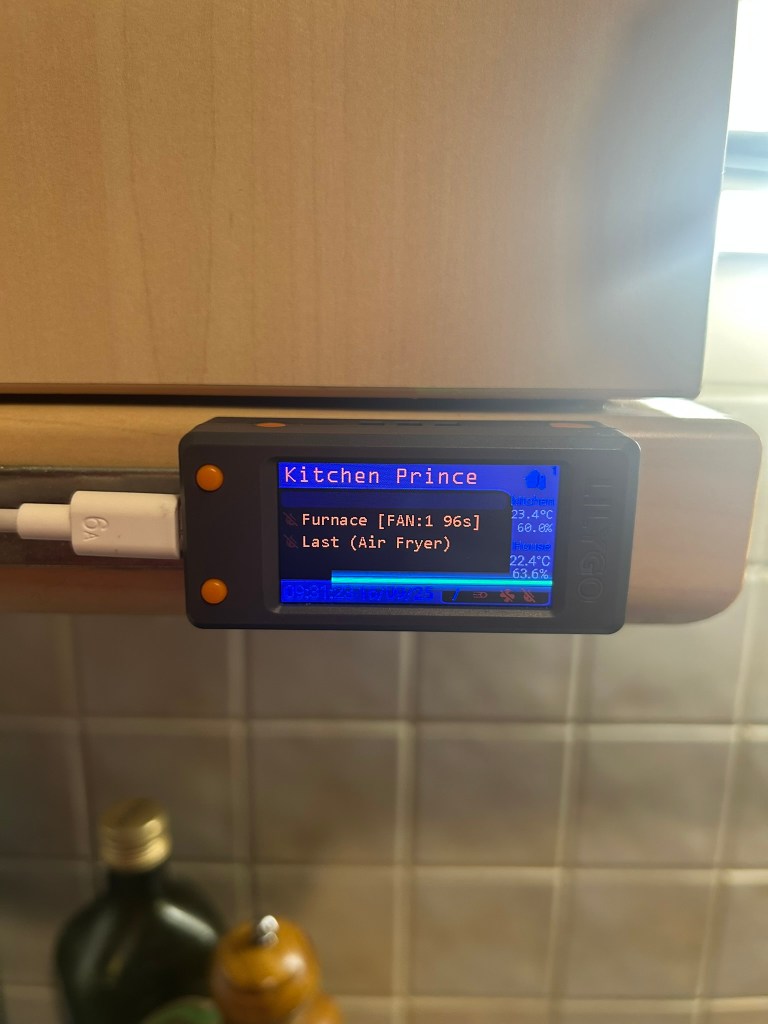
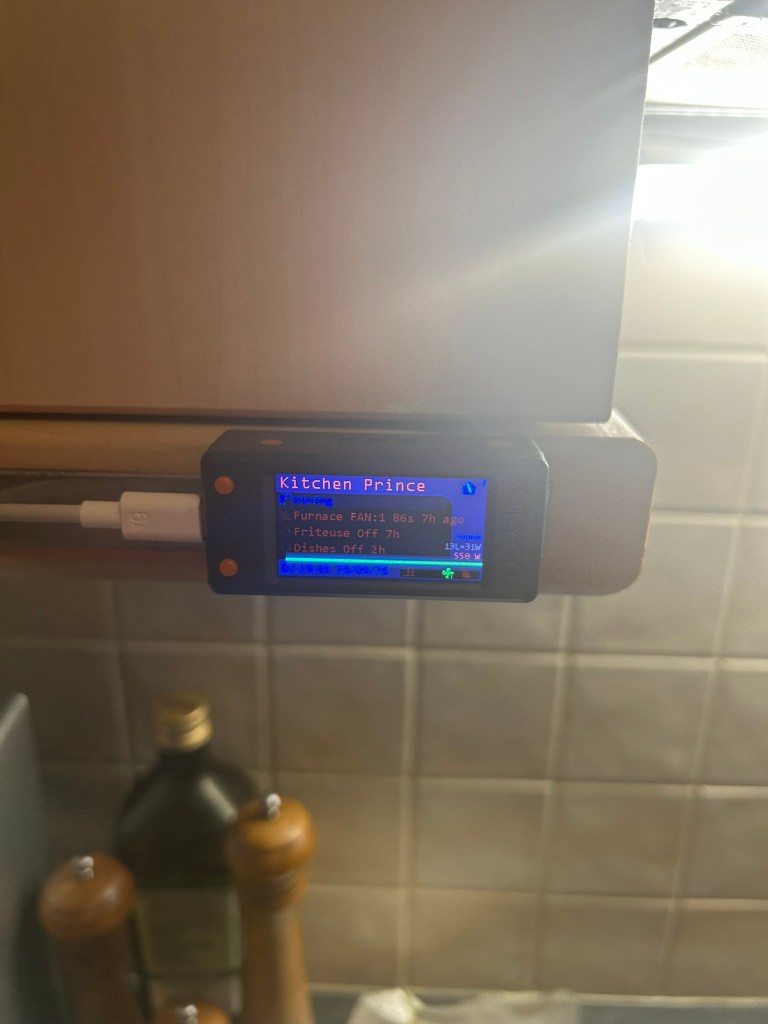
The source code can be downloaded from my github.com/gowildchild/AutoMAutist/, currently it is limited to infocards and control modules, but I got to start somewhere. There will be 10 milestones. AutoMAutist-NG! It is usable as a stand-alone server for the basic features, but it also is fully supported as ADD-ON for Home Assistant to link it with your domotica. The next step will be creating the sensors, reliable medication alert, basic signalling and control. After that, the HMI displays and shower timer, kitchen prince and bedroom guard will be recreated. In time, the hardware projects will be also shared under AutoMAutist.
Inquiries: github.gowildchild@xsrv.net (or open an issue)
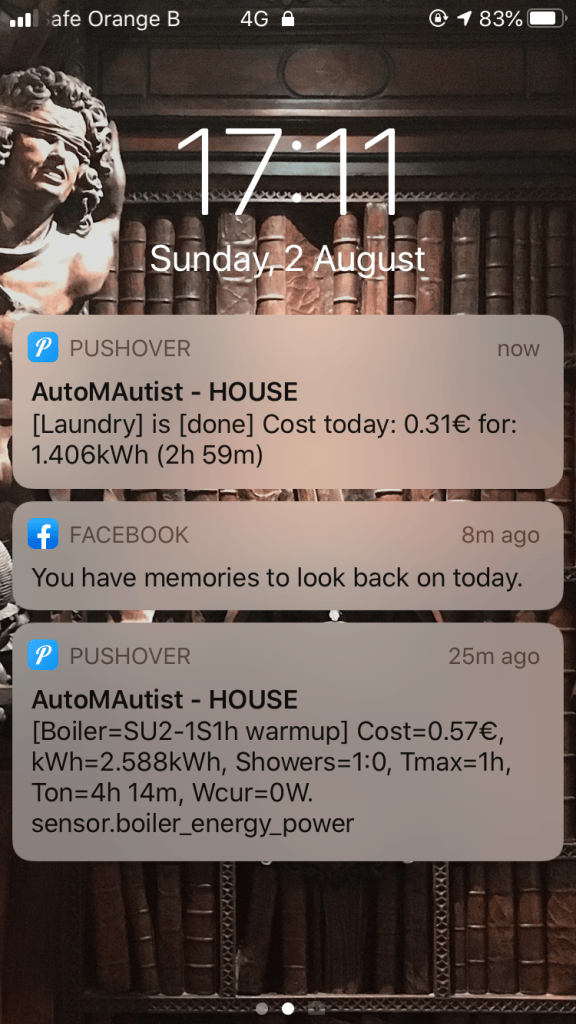
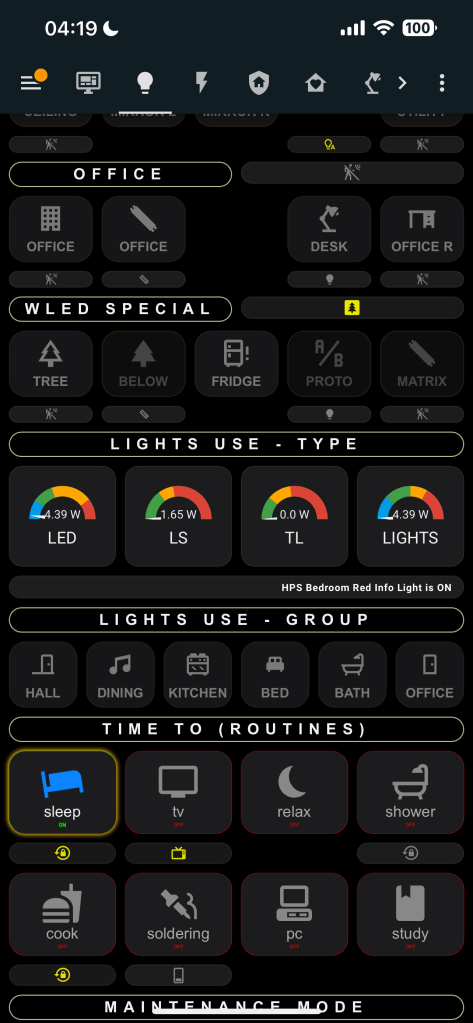
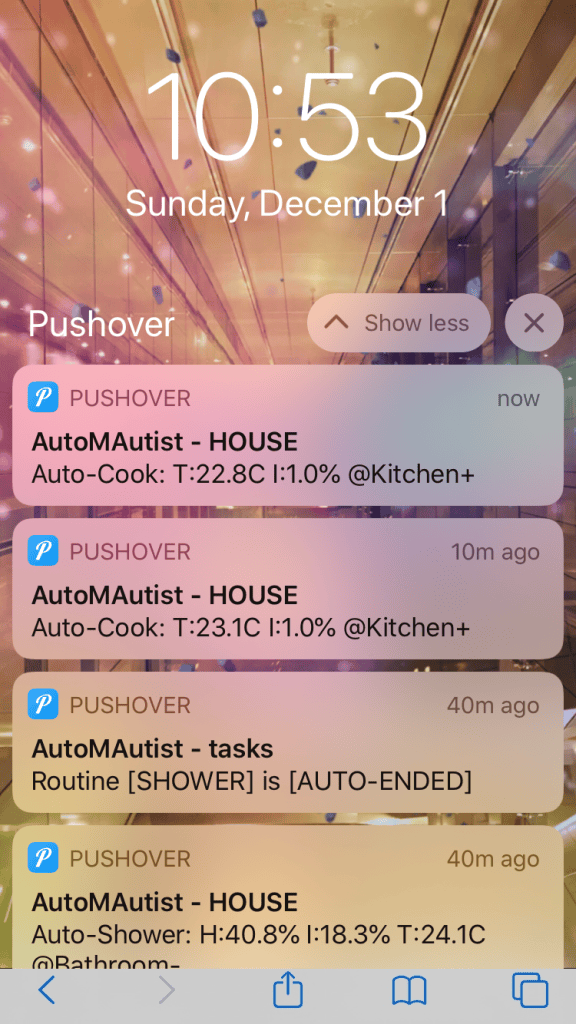
I am planning to create all the neurodivergent tools into an add-on, where certain features can be used as a webapp, like the communication through cards. I have used automations not only to offer me (and now us) peace, I have also used them to protect the house, to regulate the environment, to be ecological, to be on time when it matters and to relax as fast as I can. Opening them up for others will be a journey too, but I am planning to make my own tools of the trade that work for so many years for me with AuDHD to be open-source for the world wide world. The tool can be used stand-alone but it will really become empowered when you add Home Assistant and a few open-source tools to the trade.
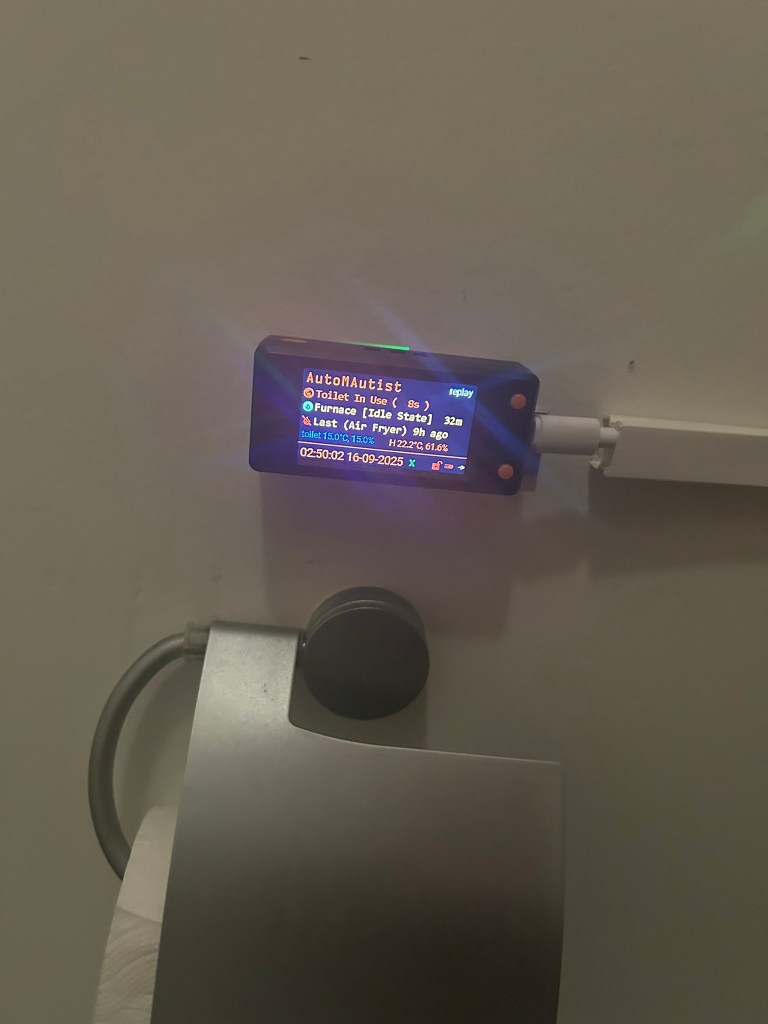
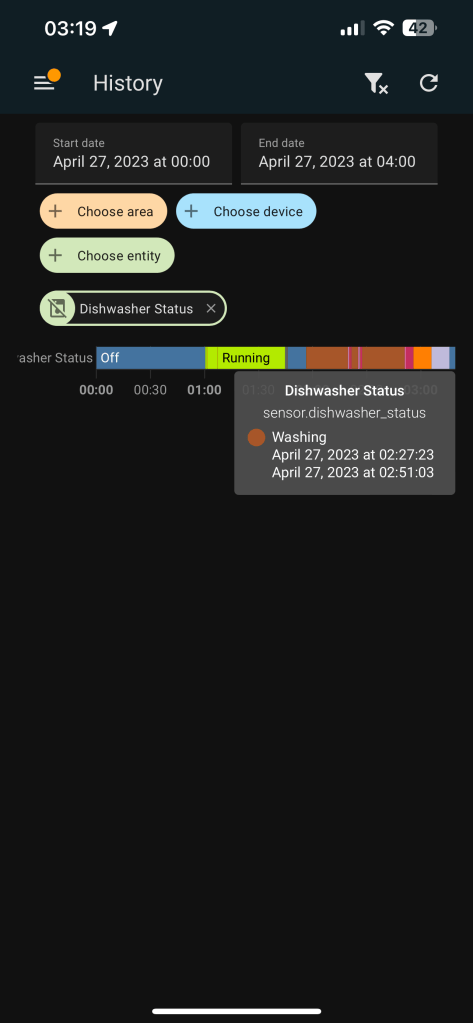
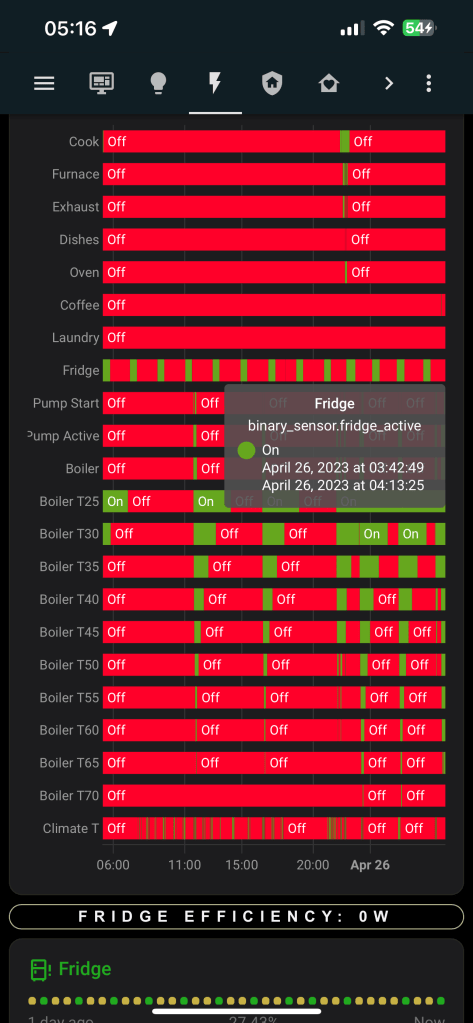
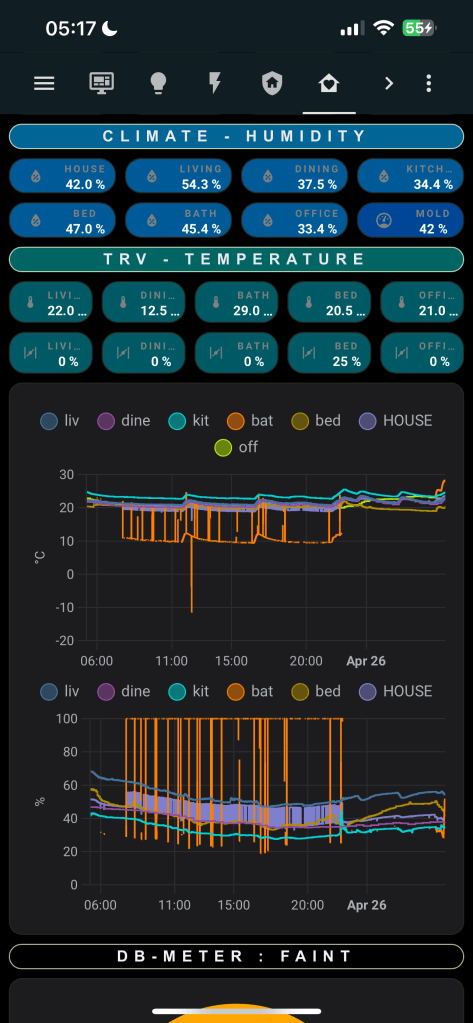
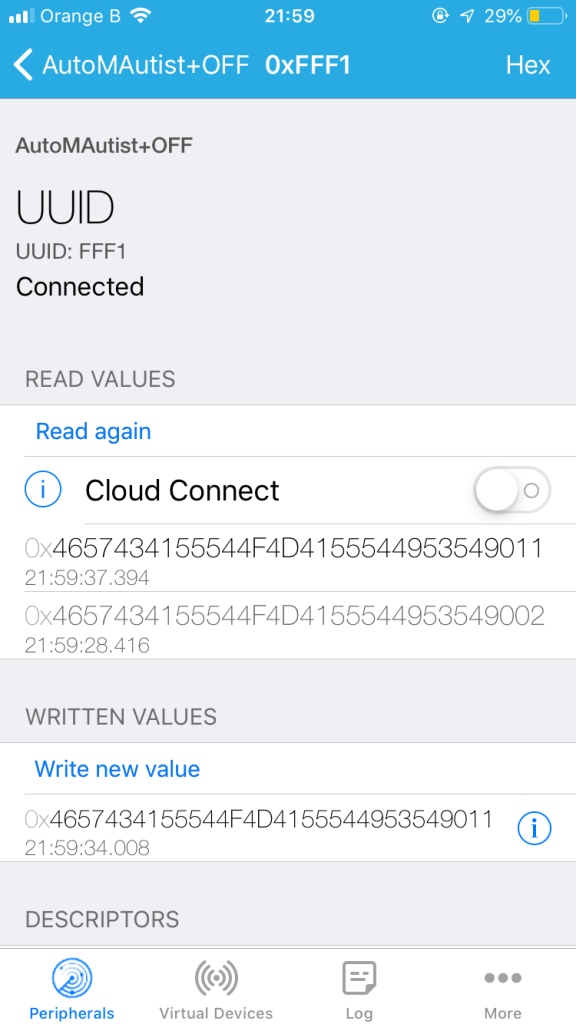
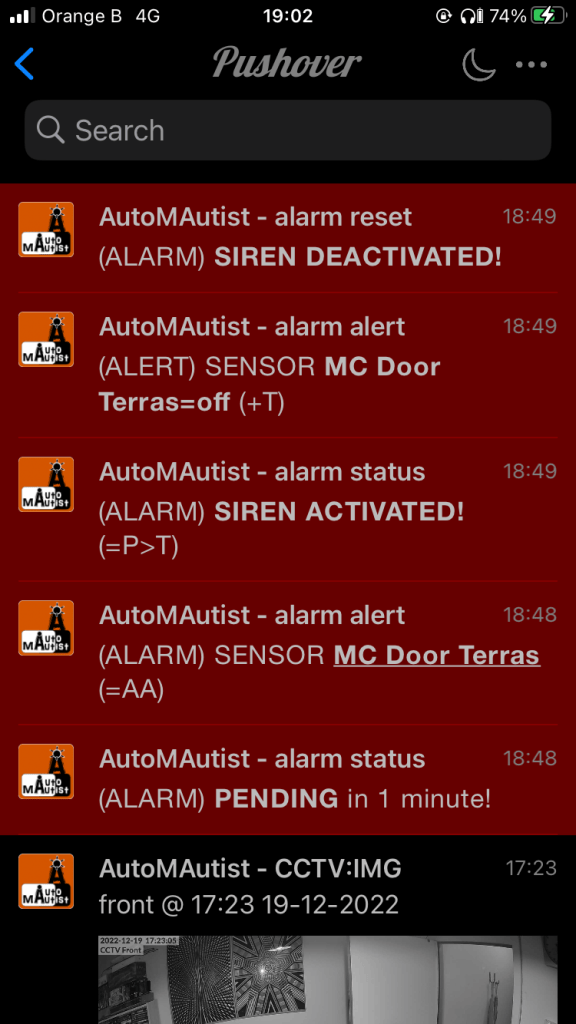
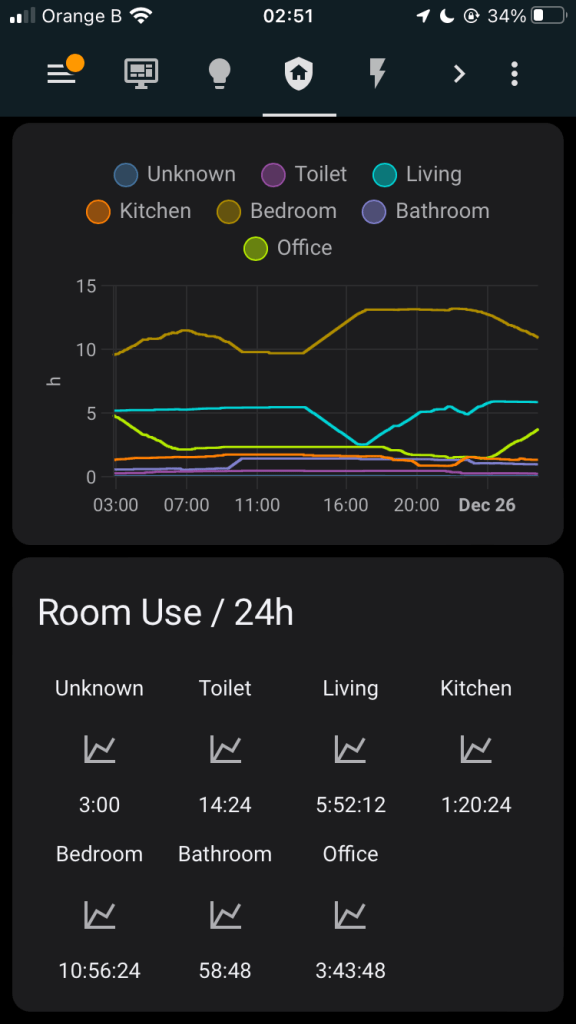
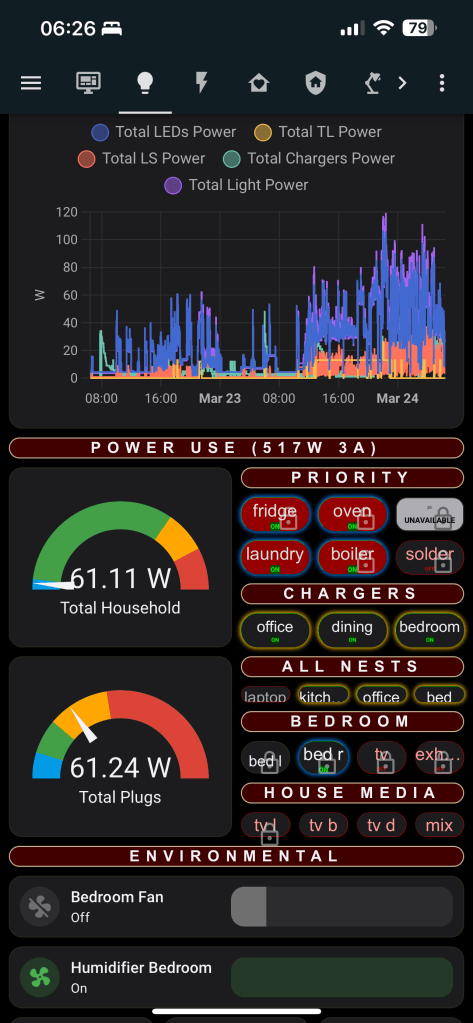
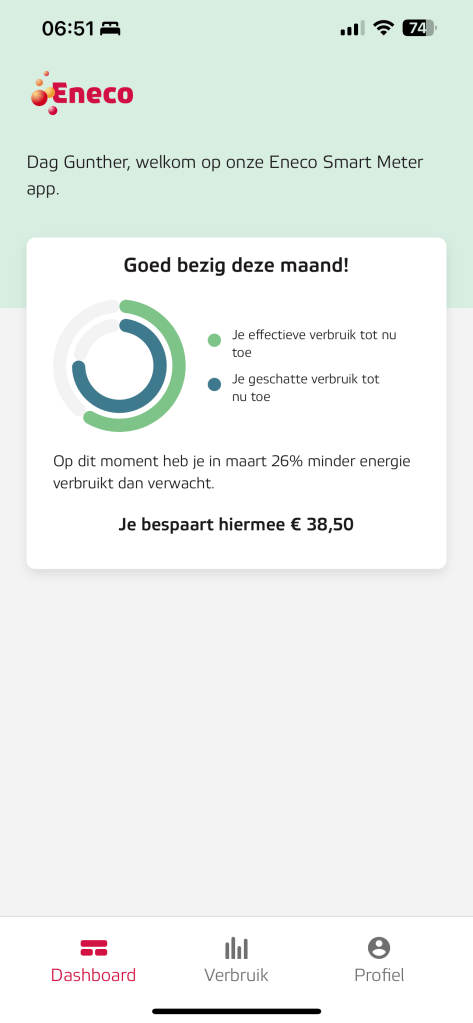
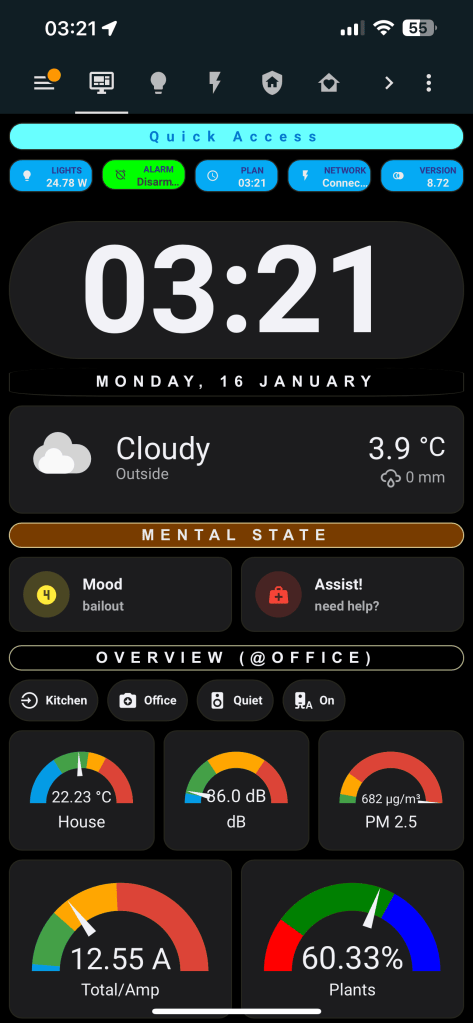
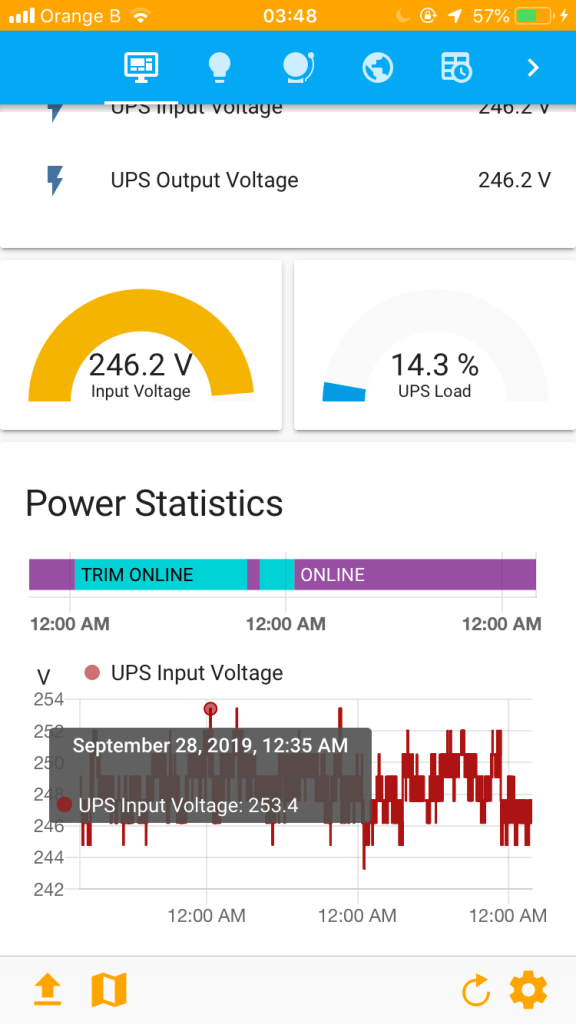
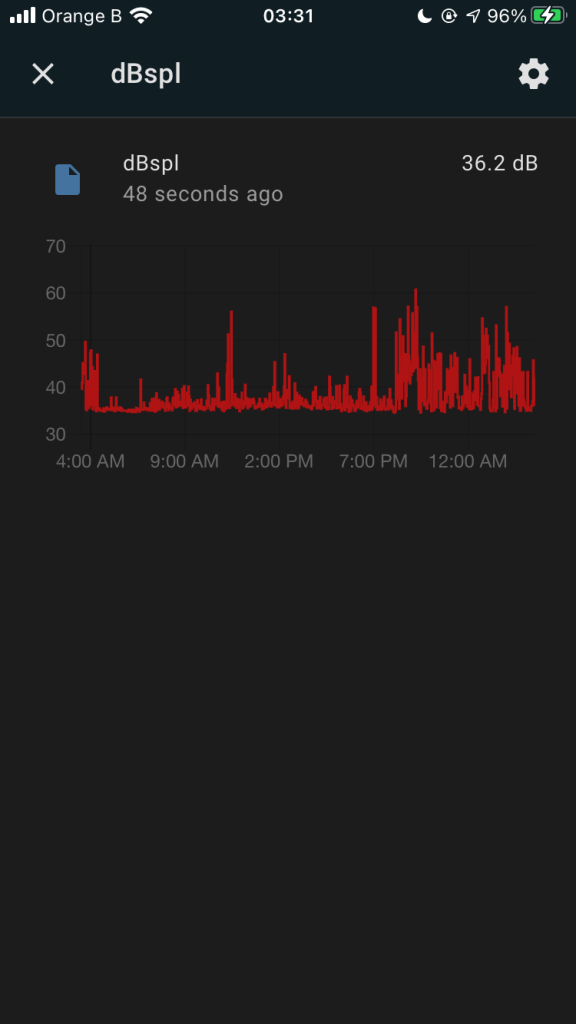
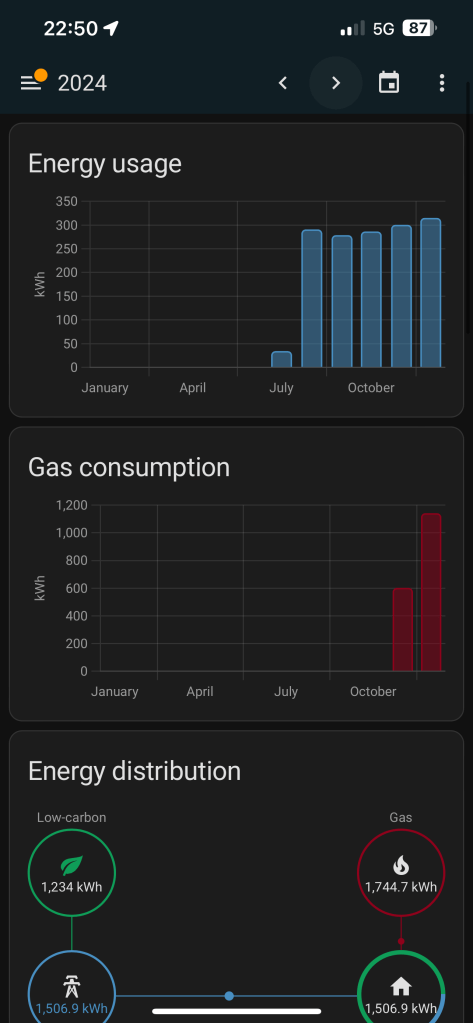
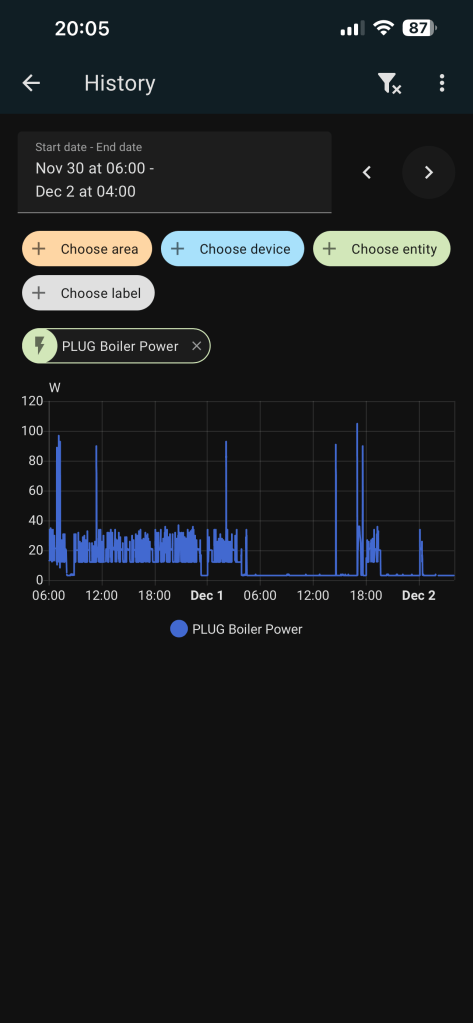
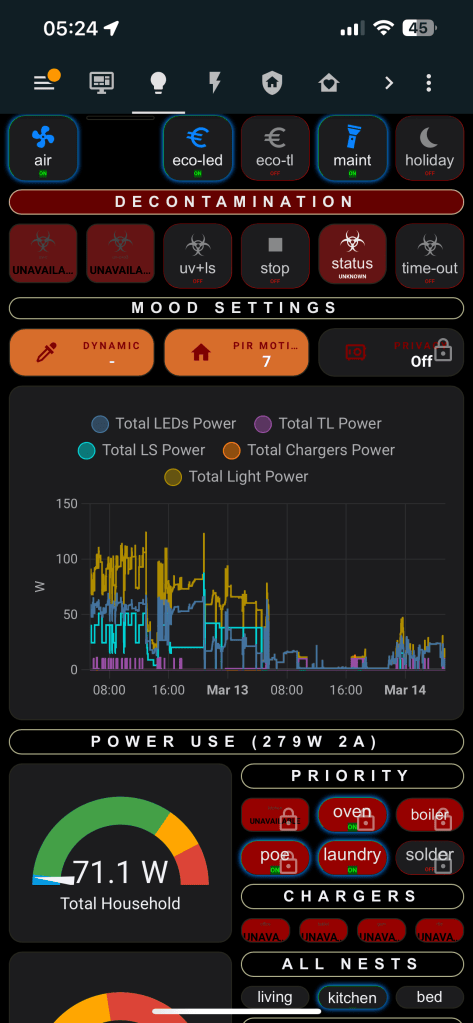
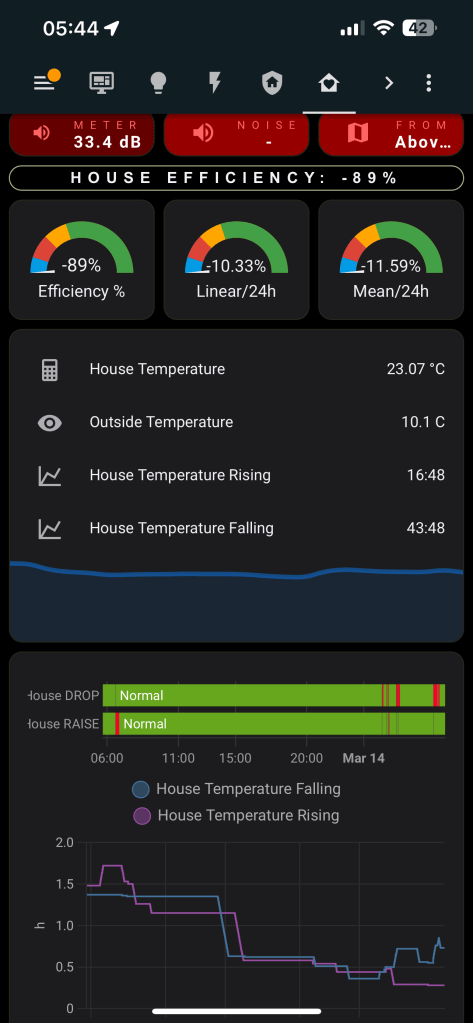
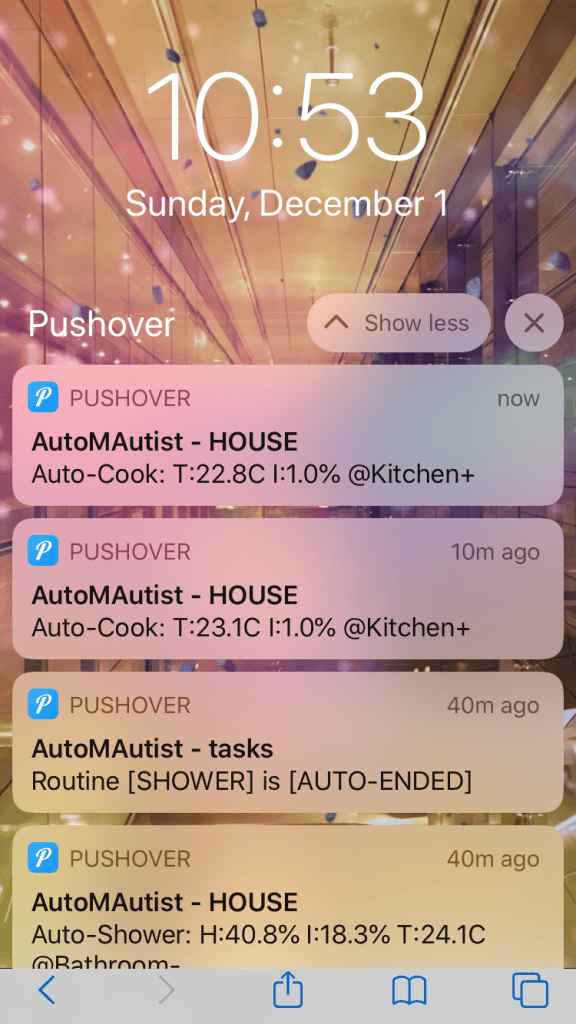
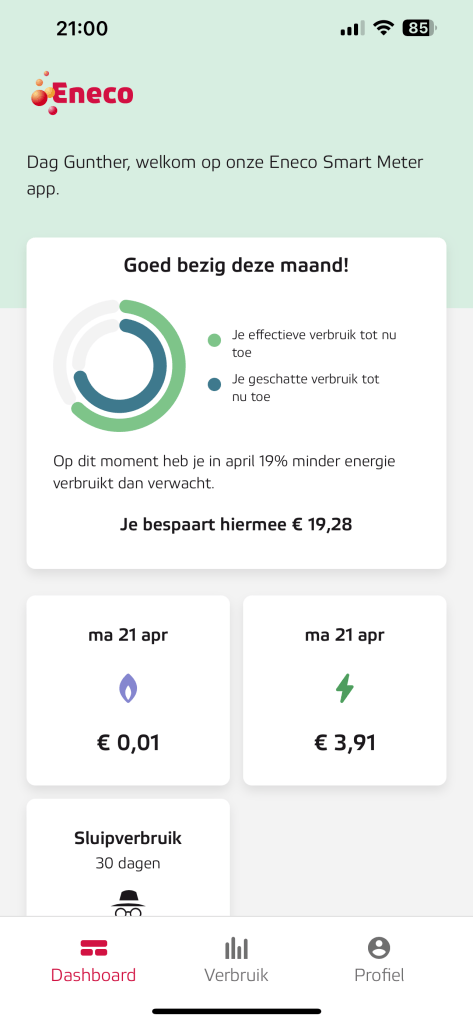
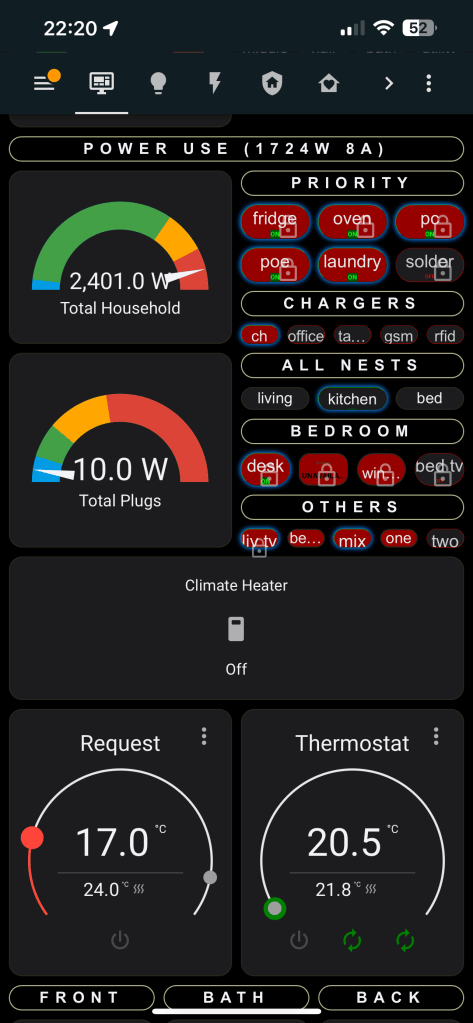
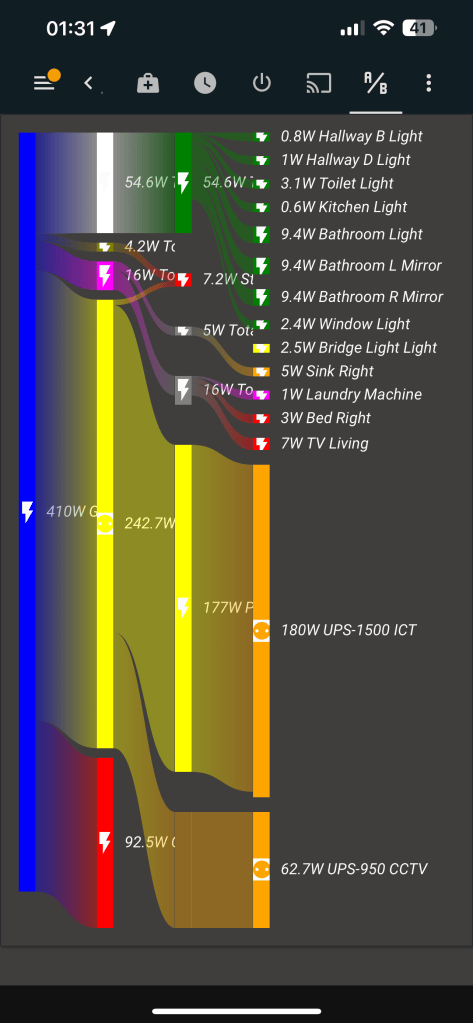
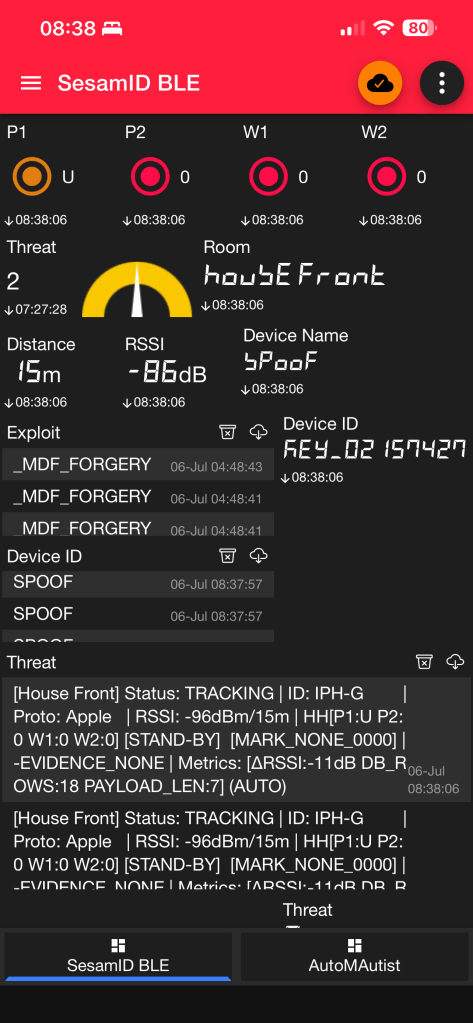
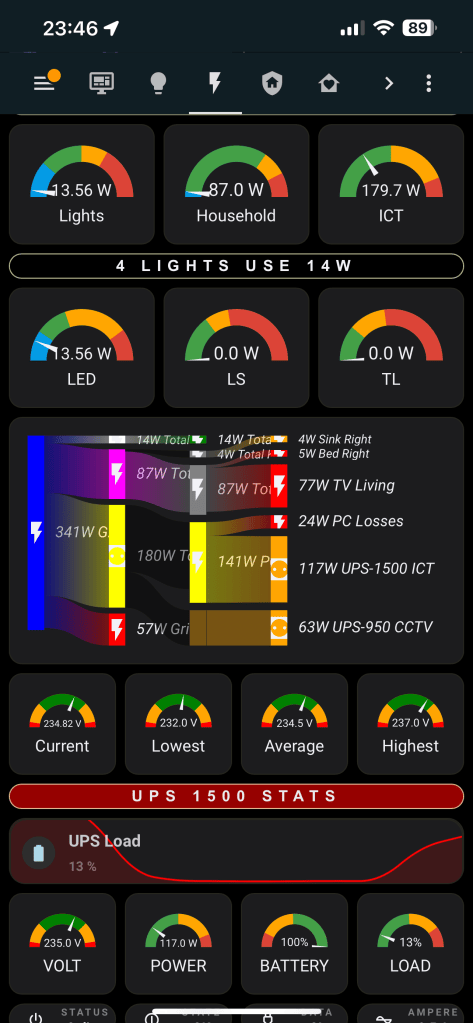
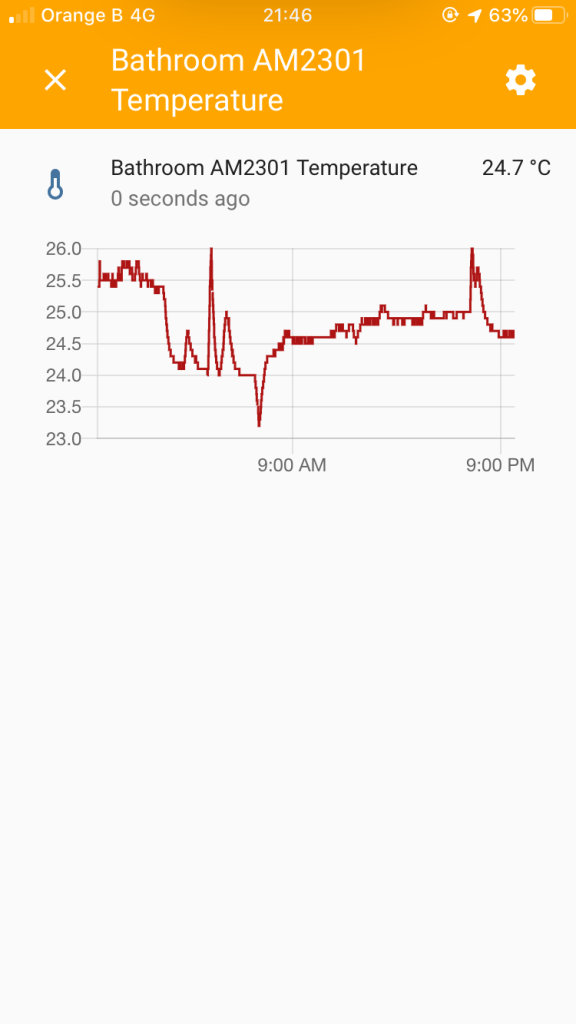
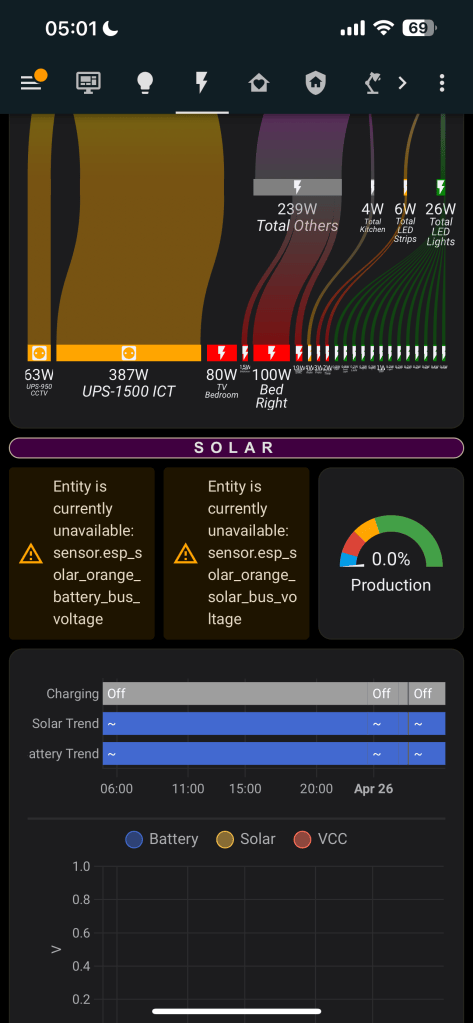
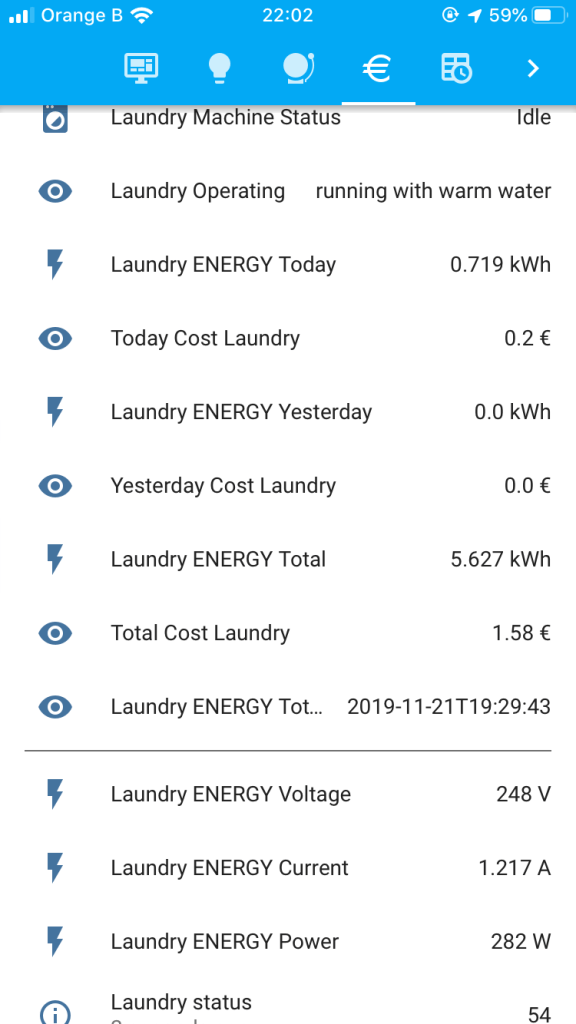
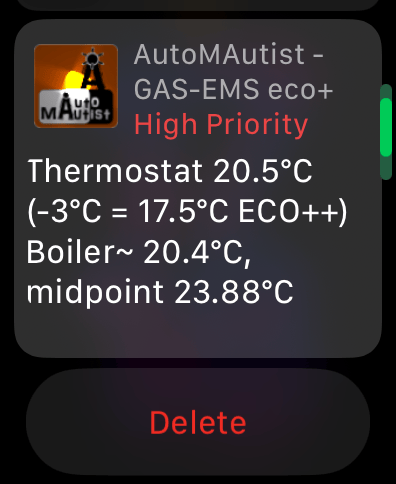
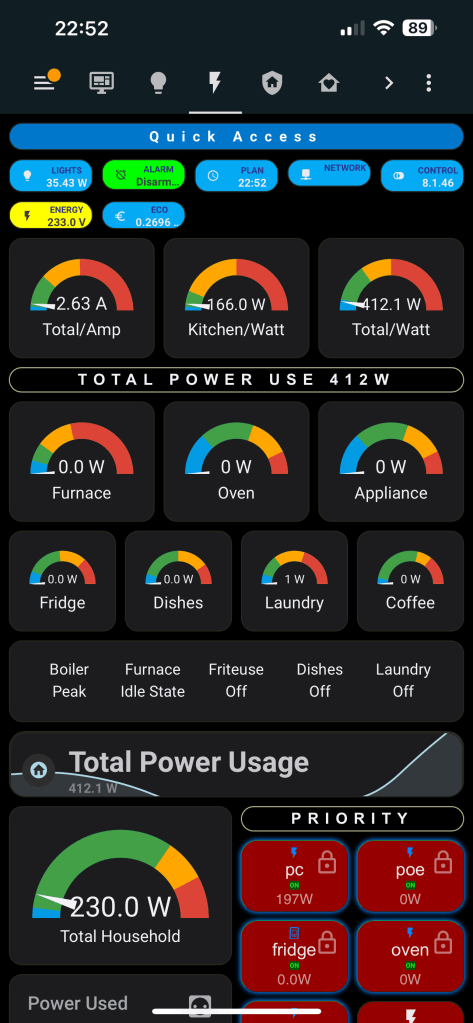
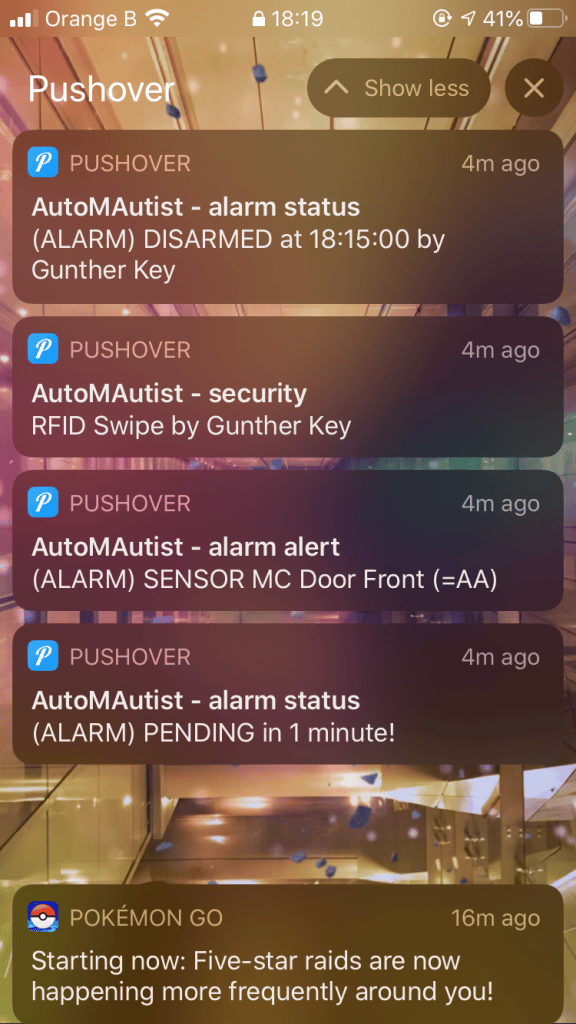
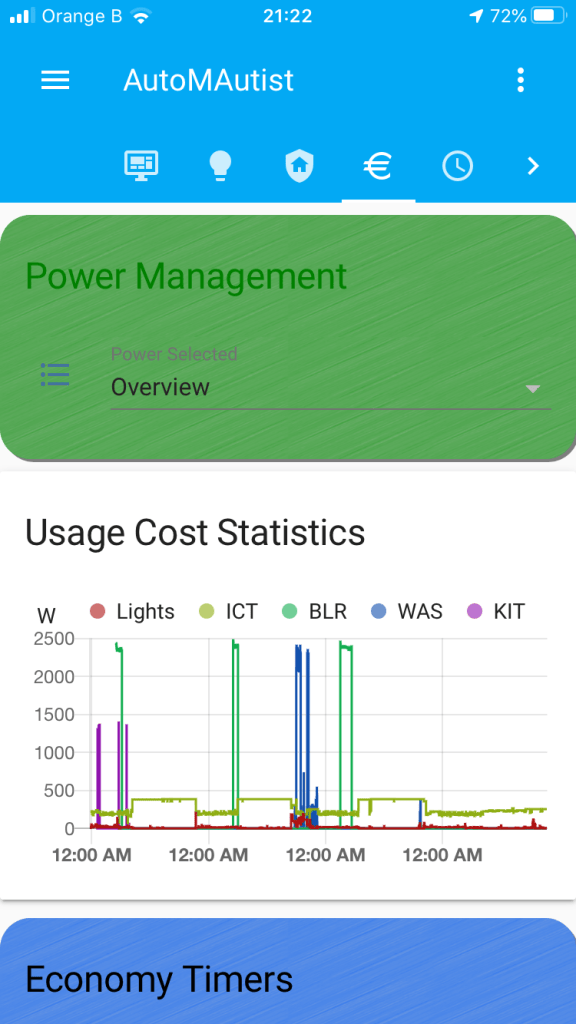
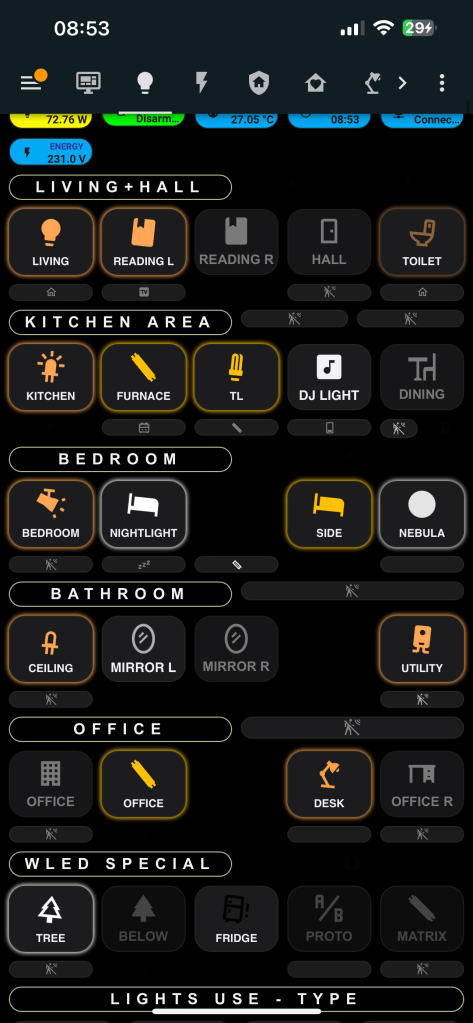
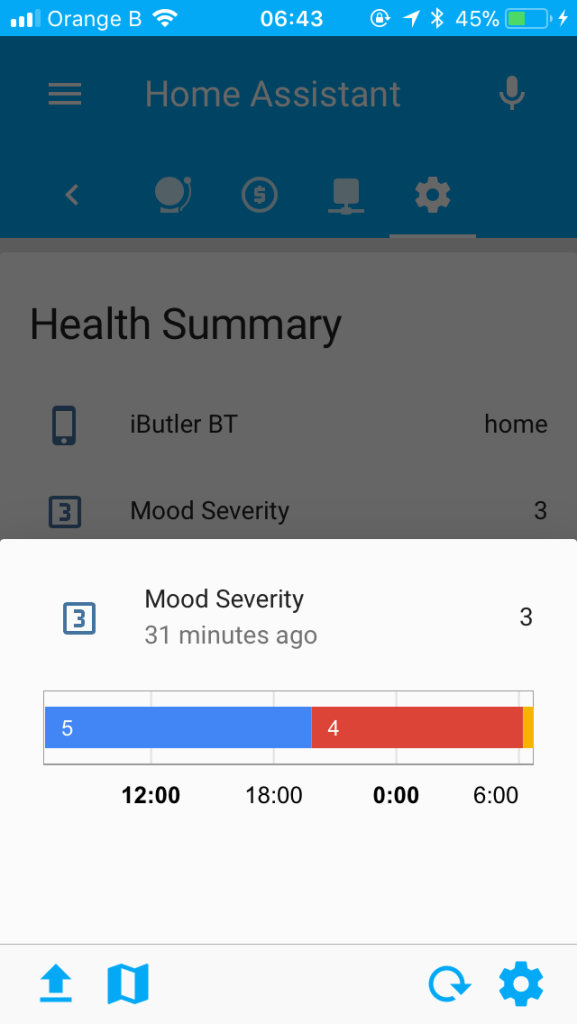
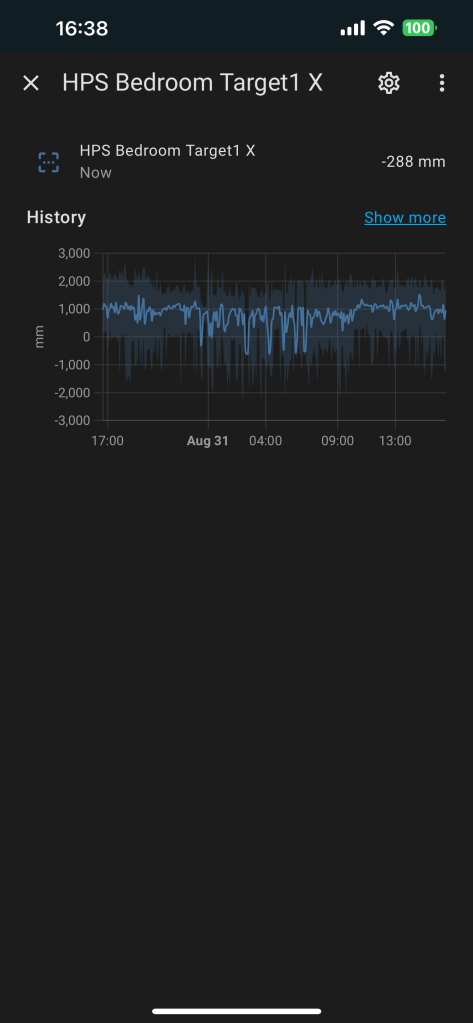
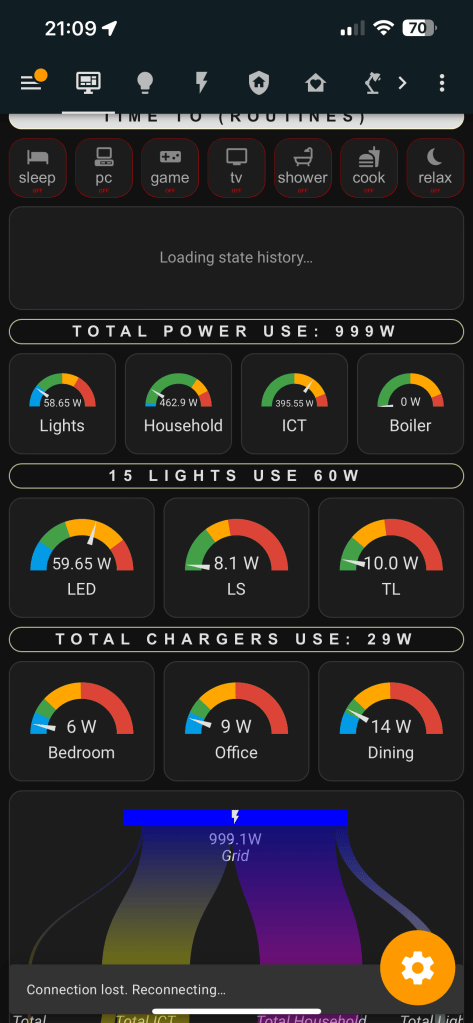
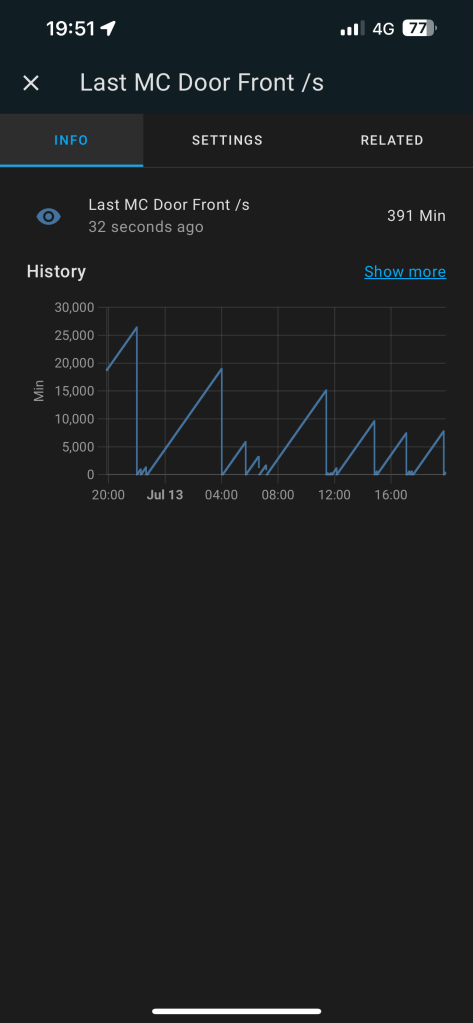
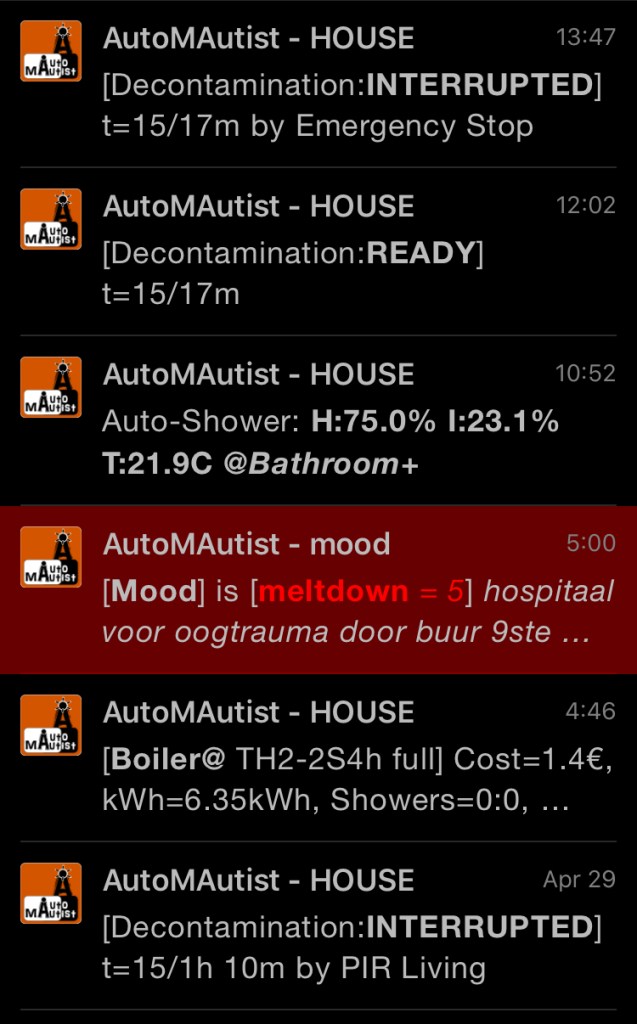
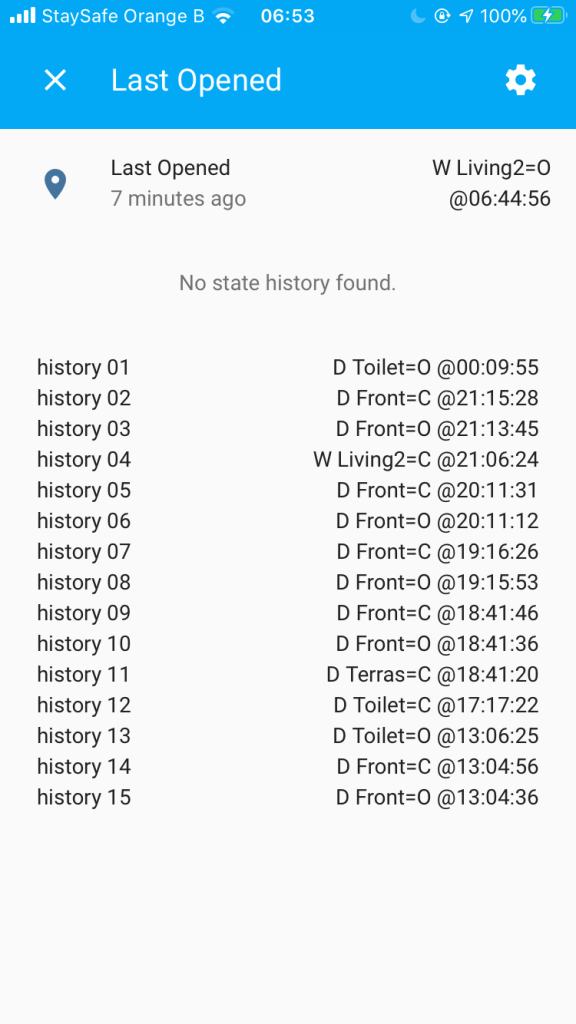
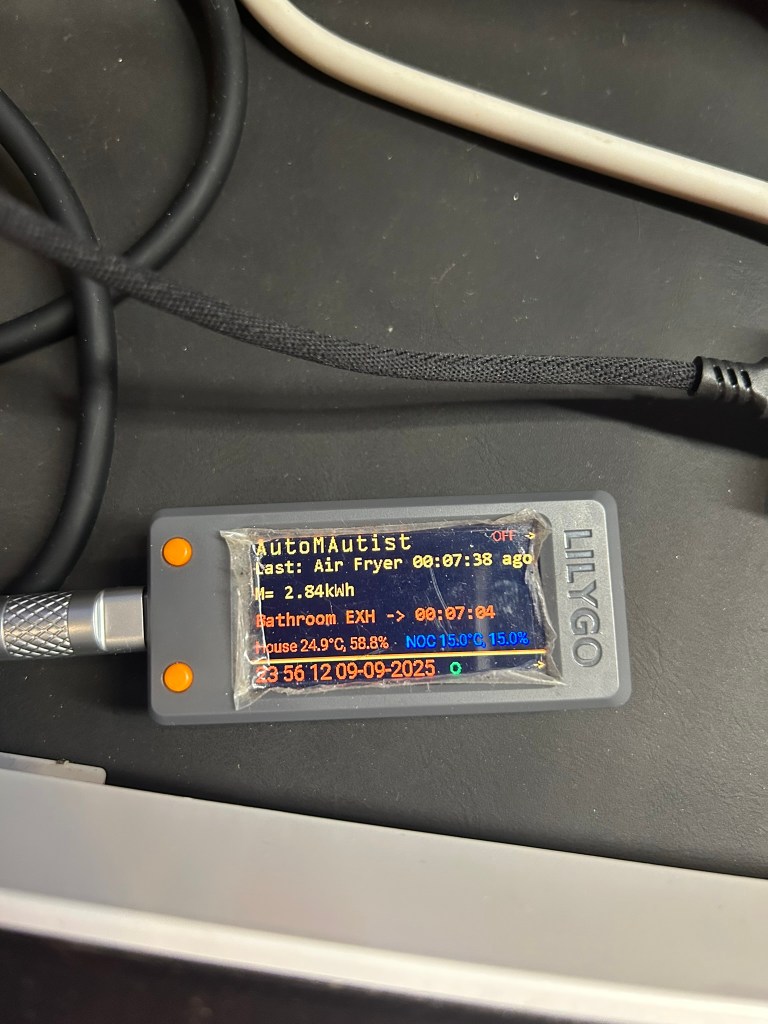
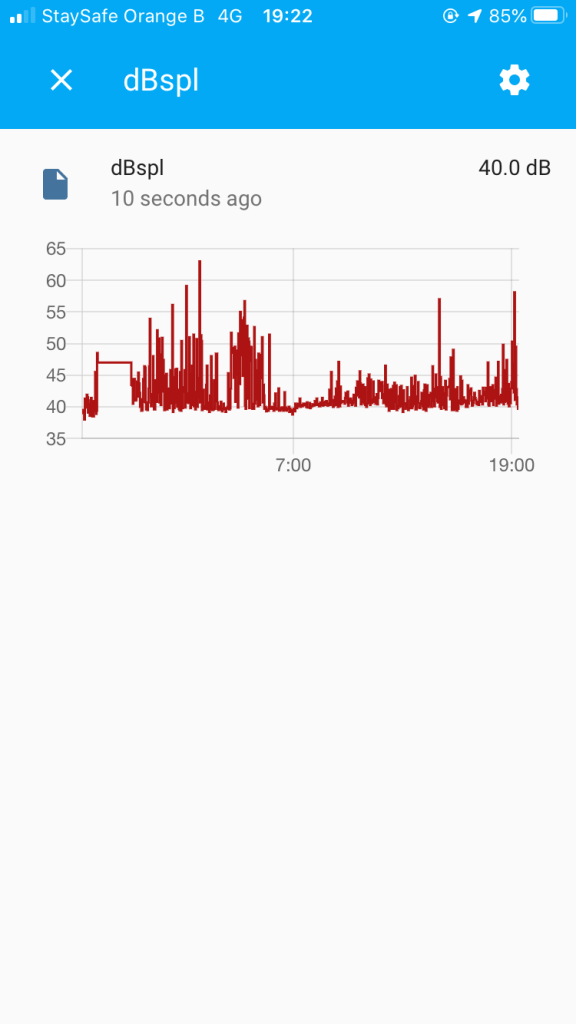
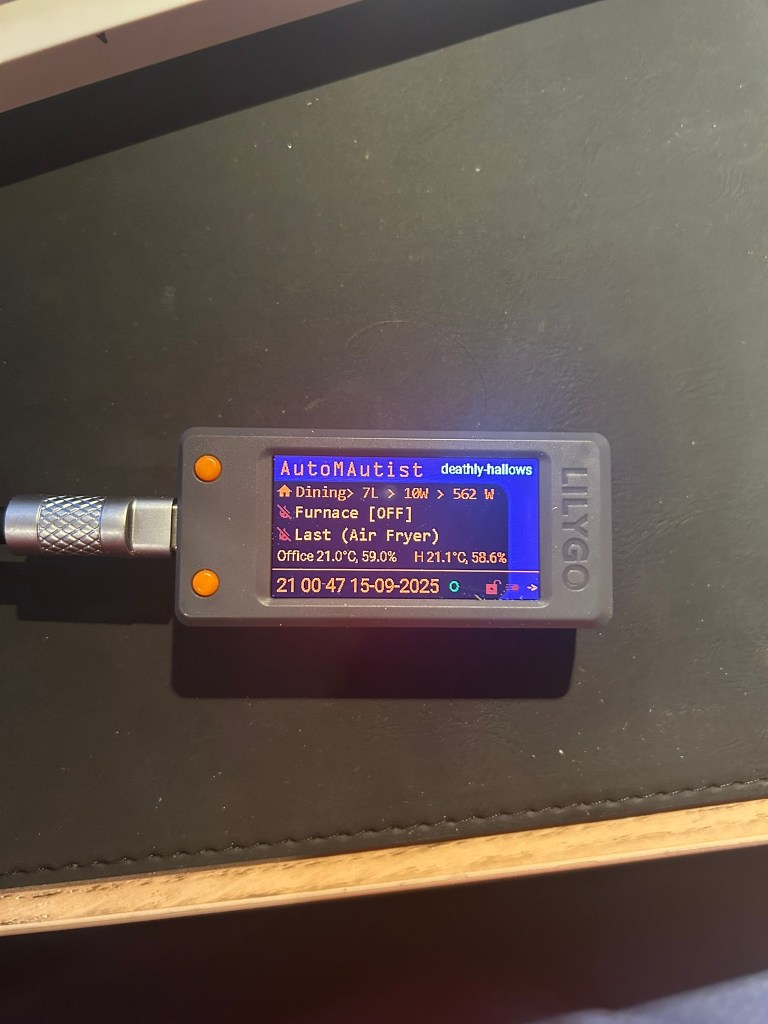
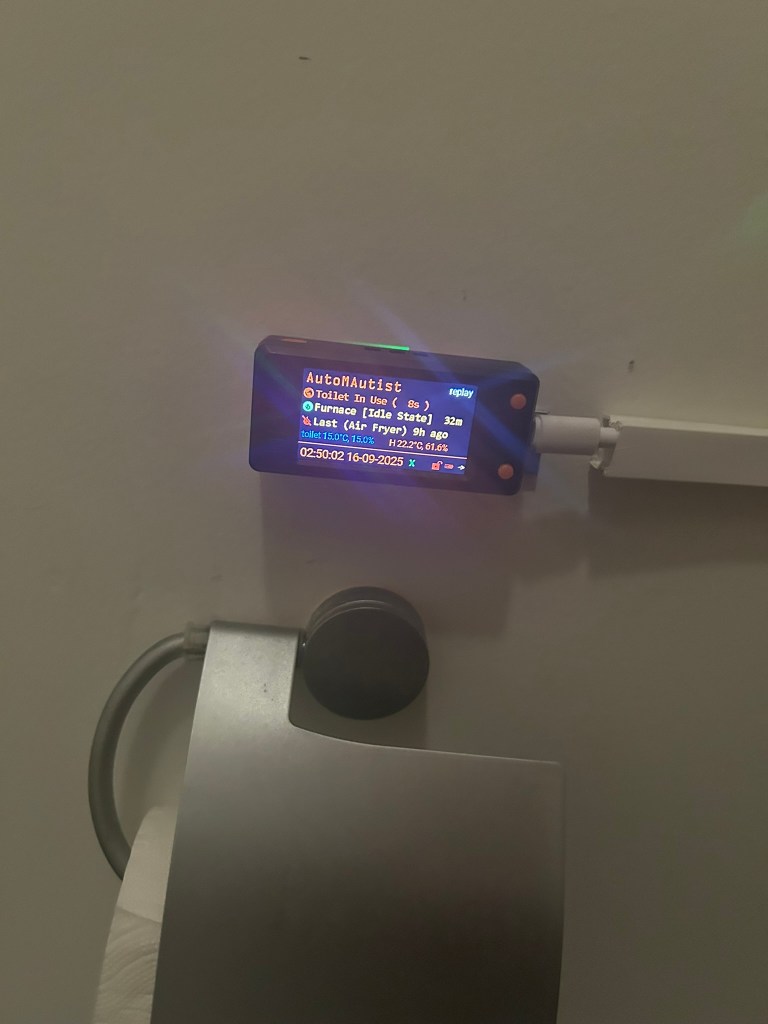
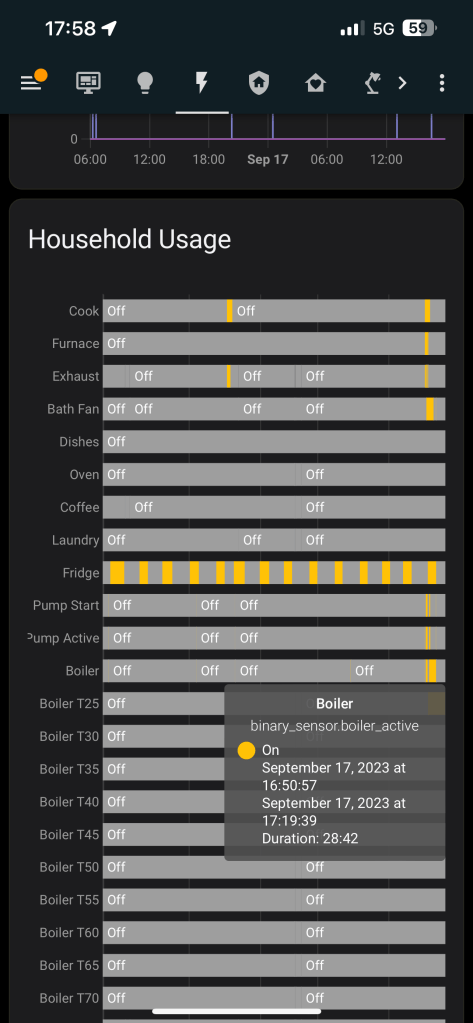
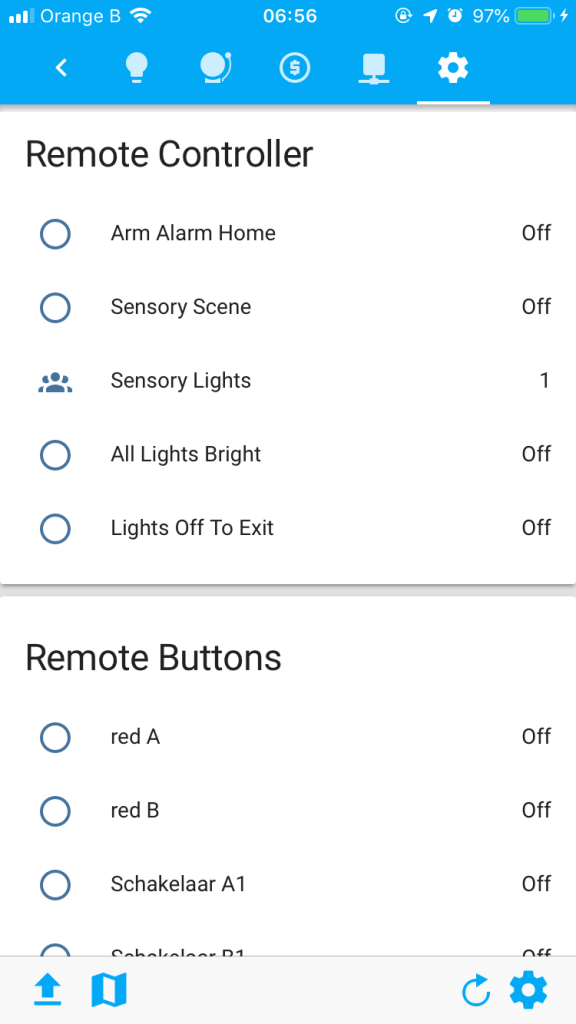
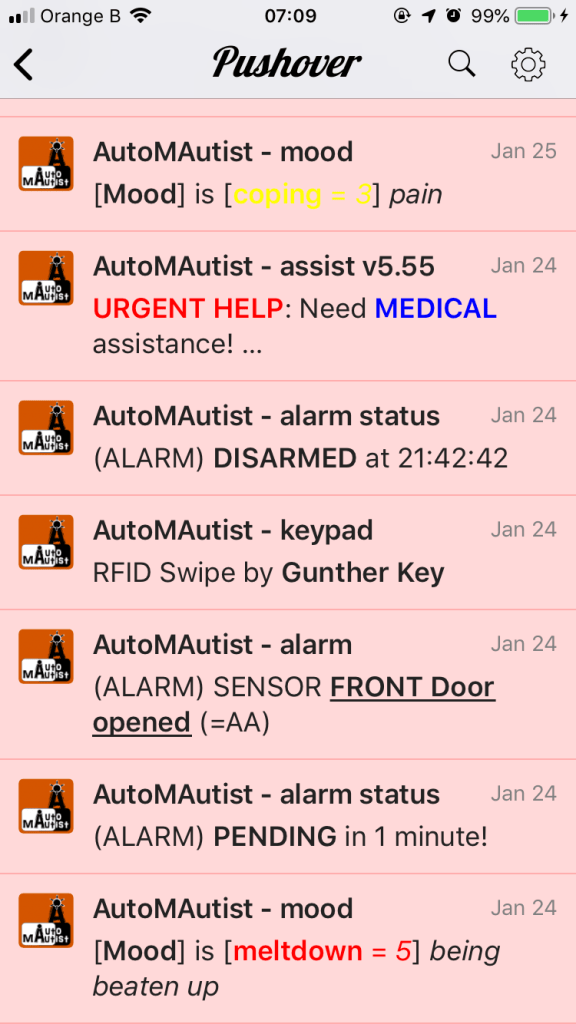
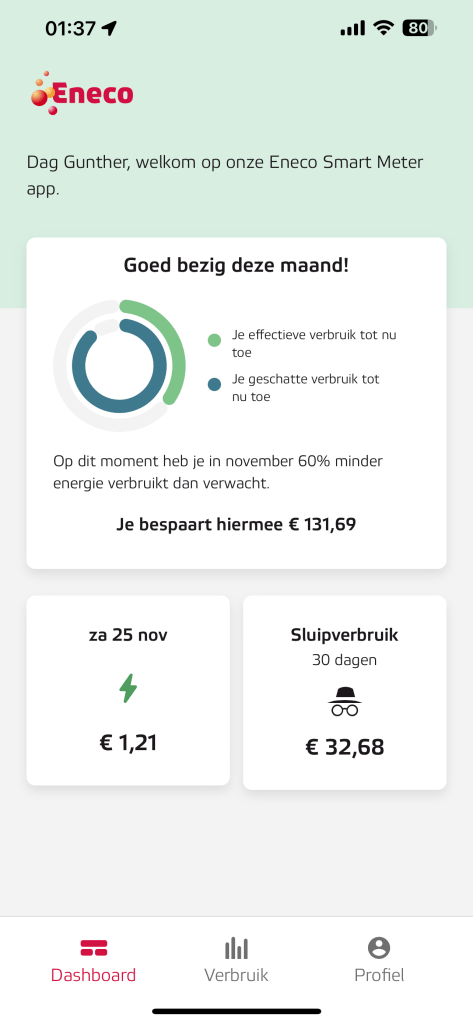
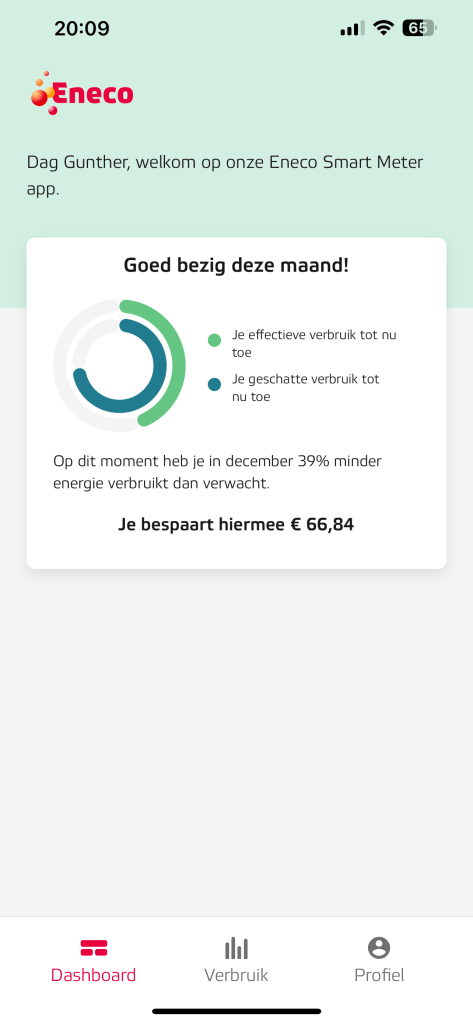
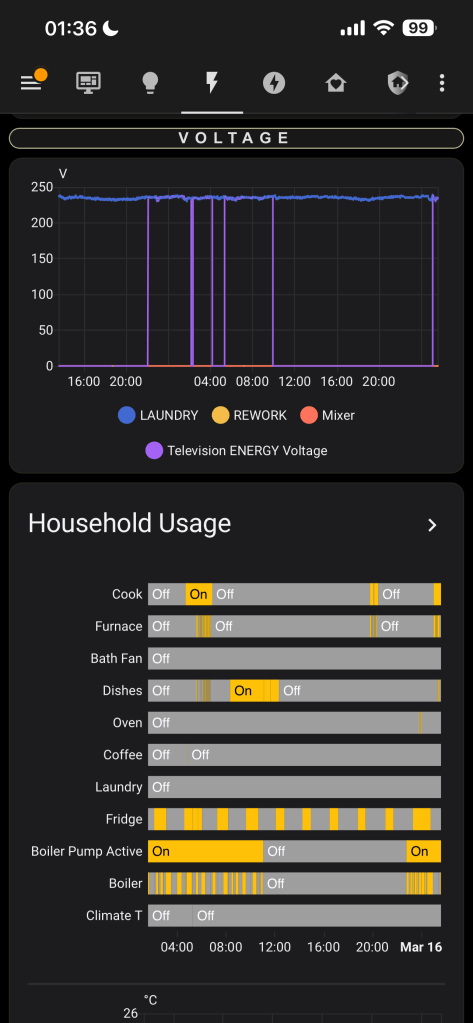
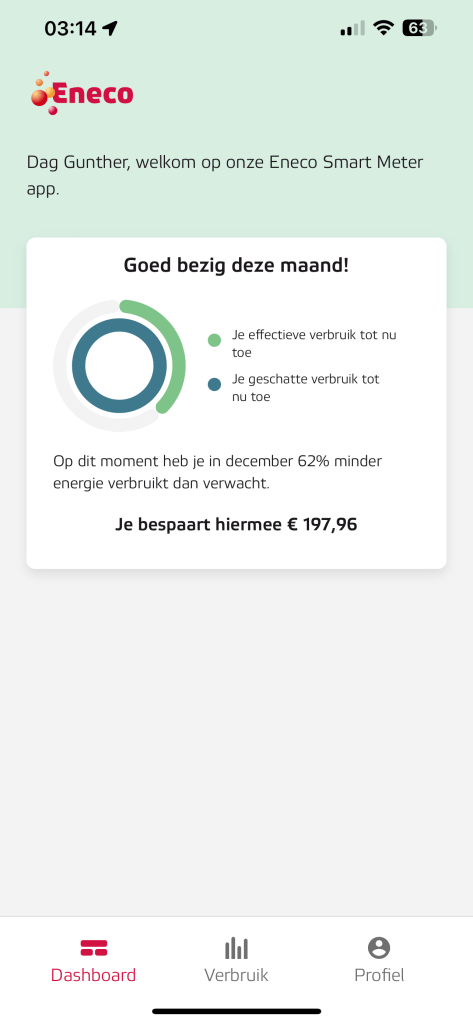
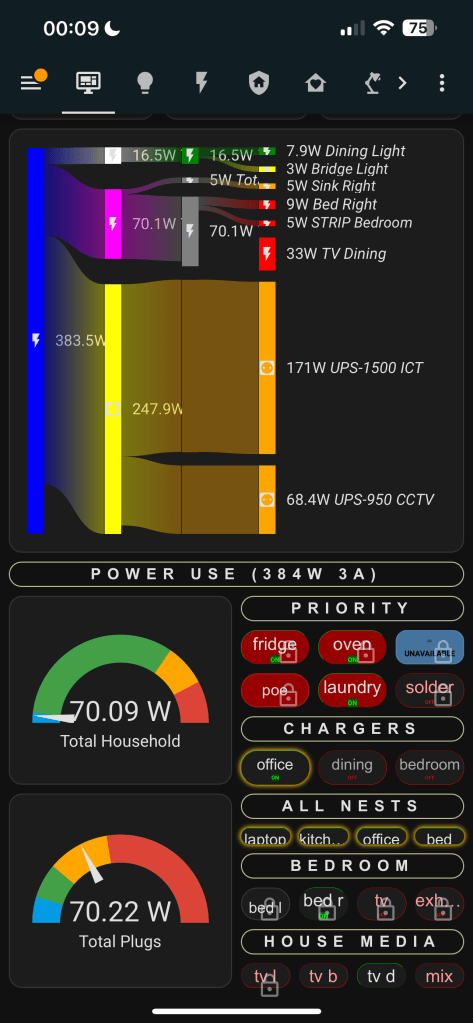
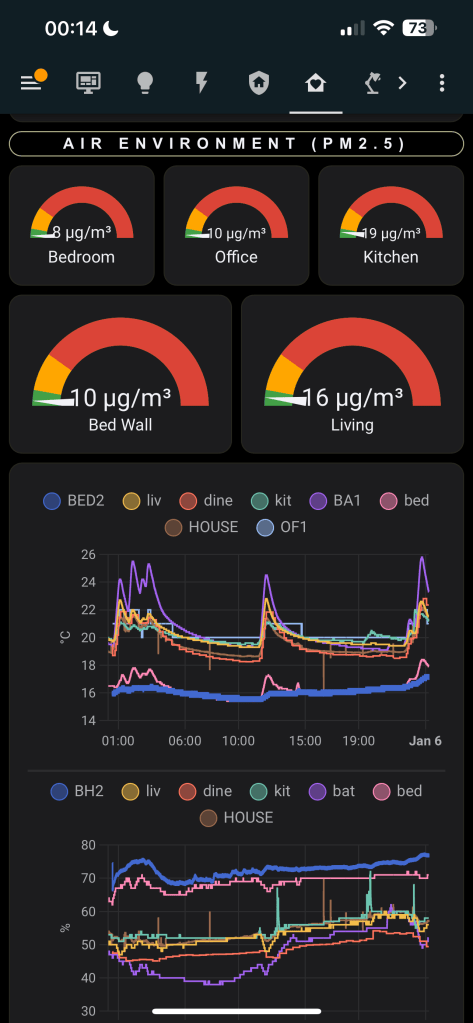
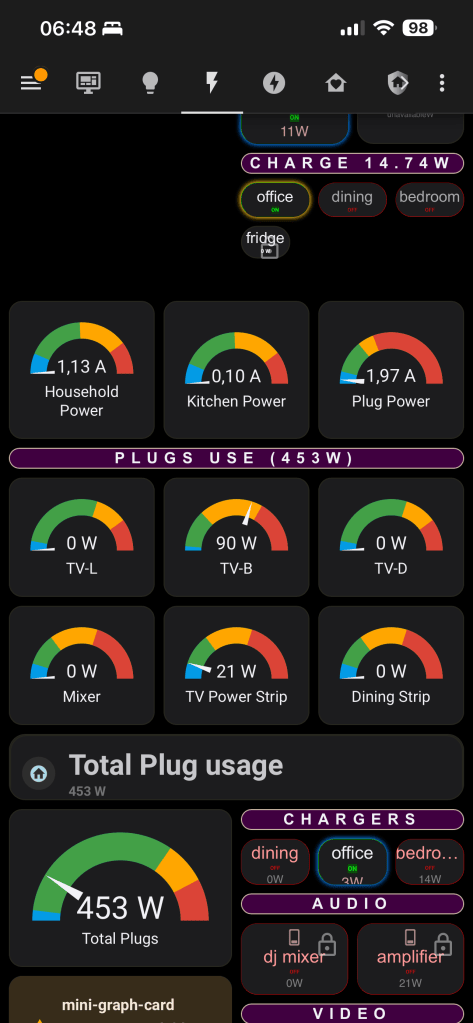
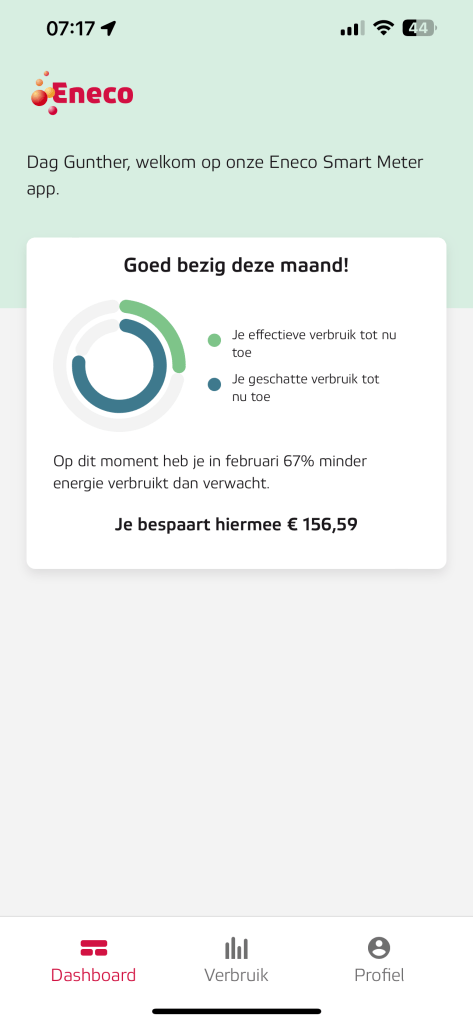
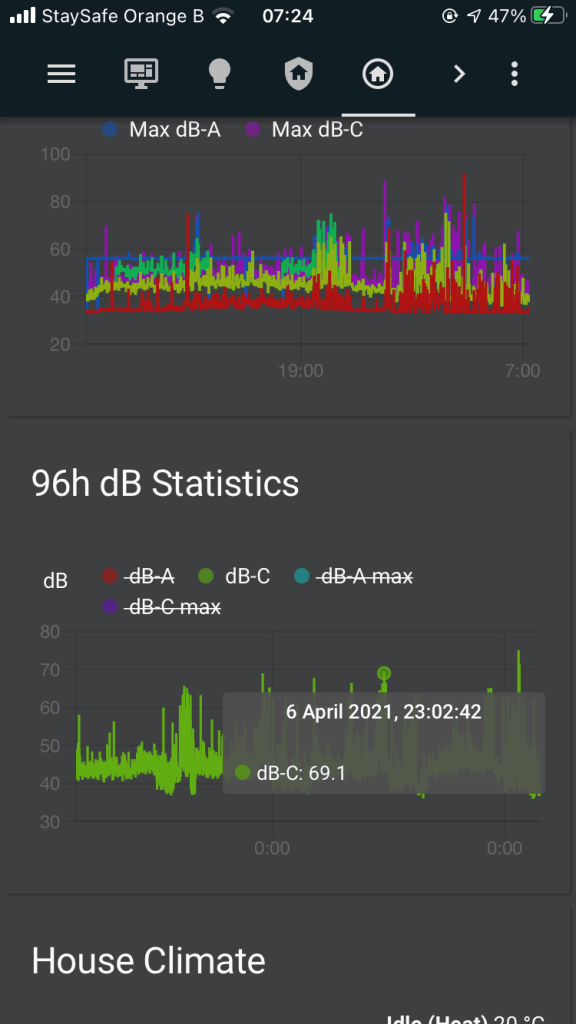
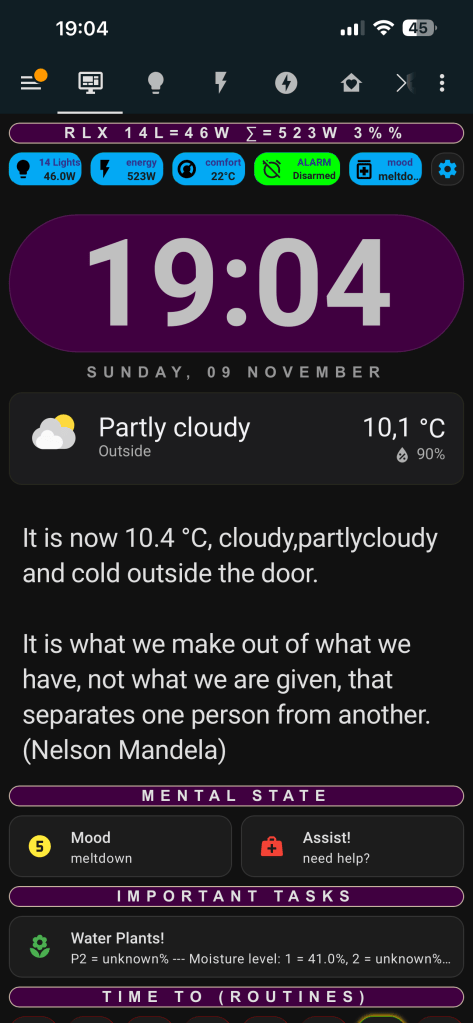
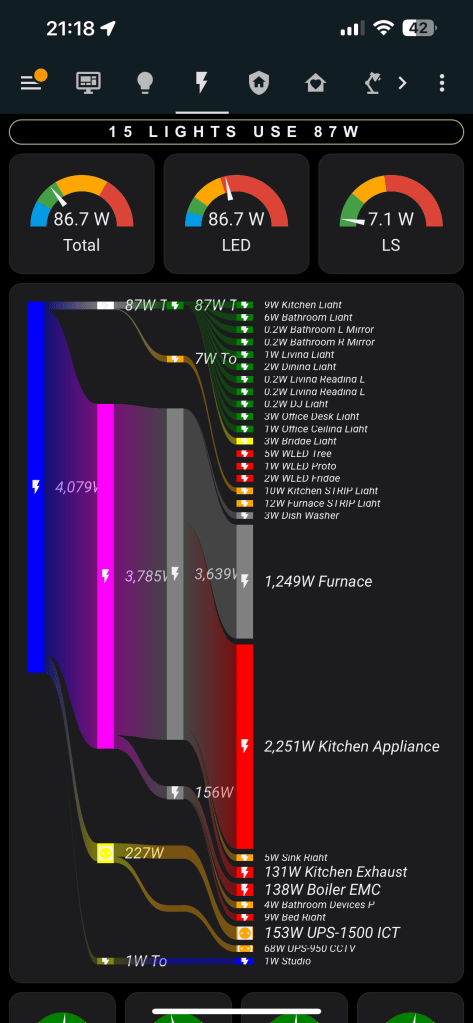
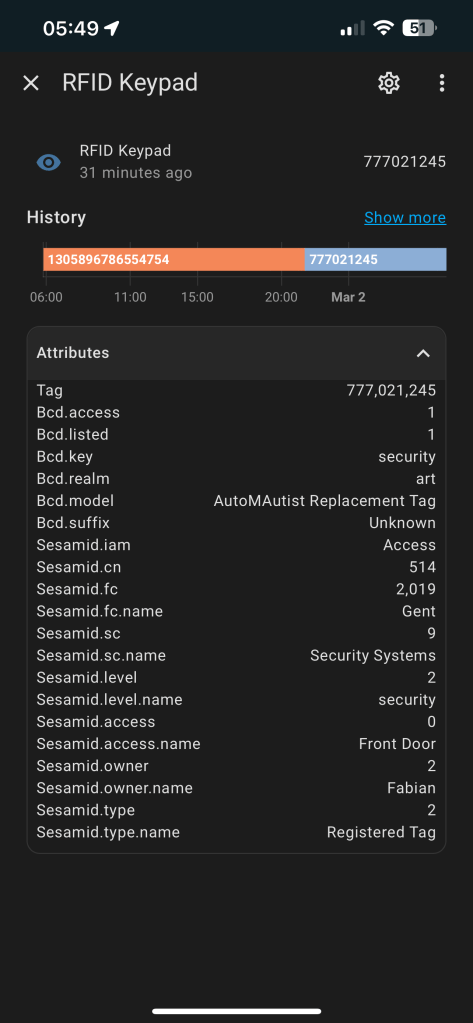
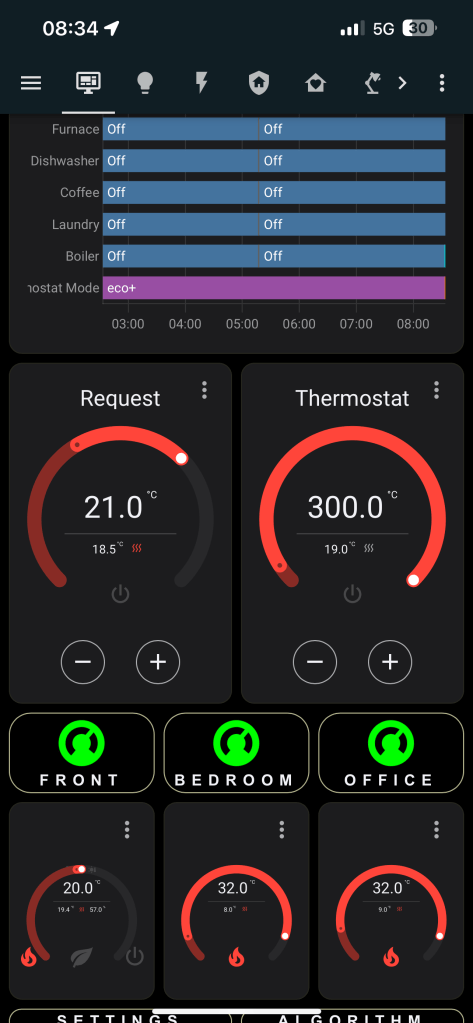
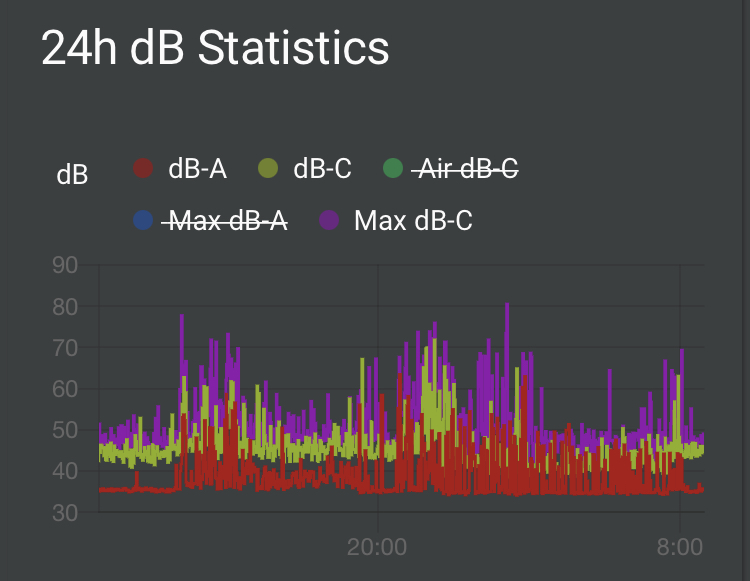
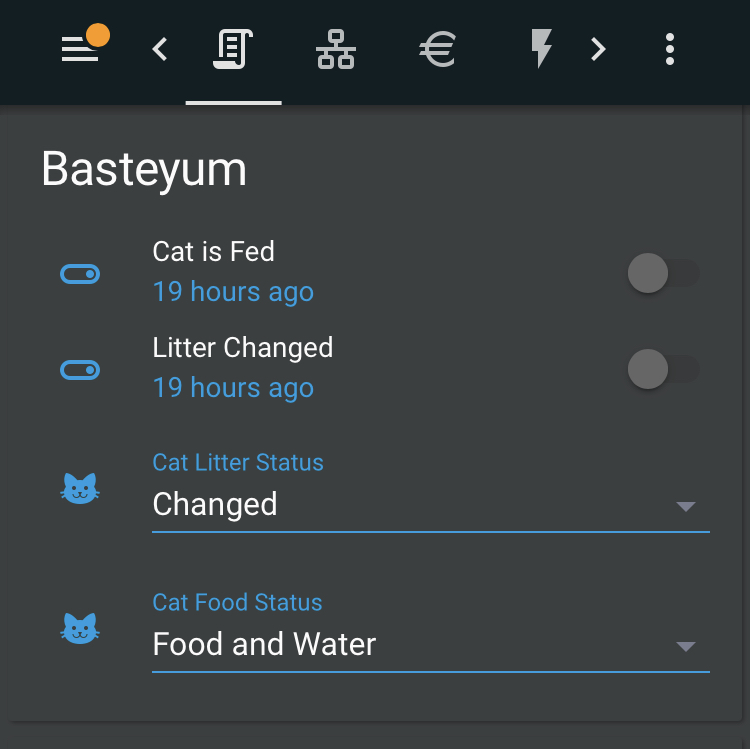
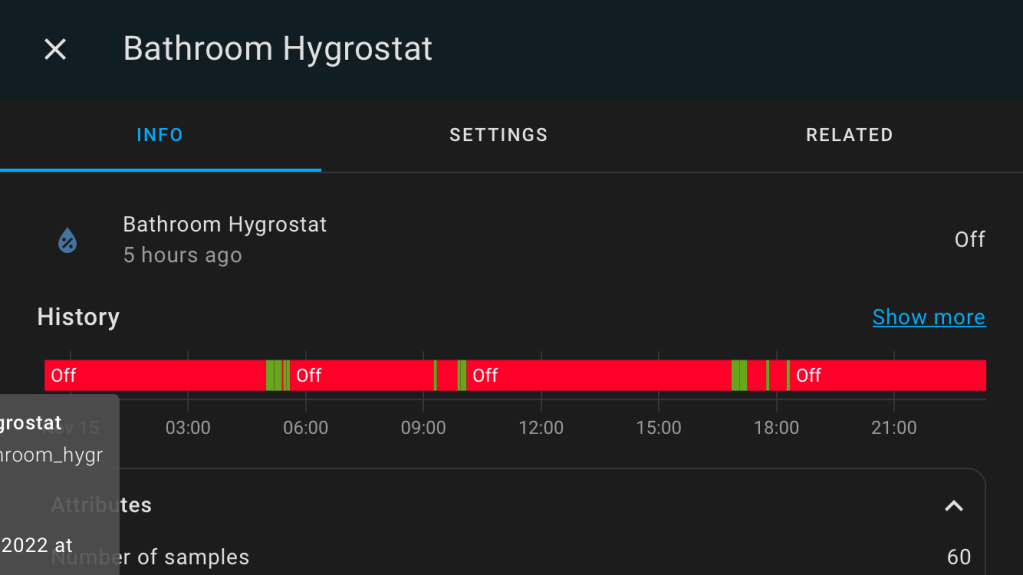
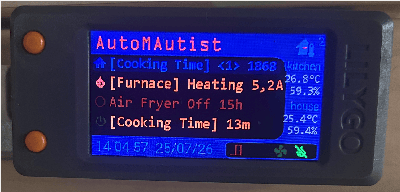
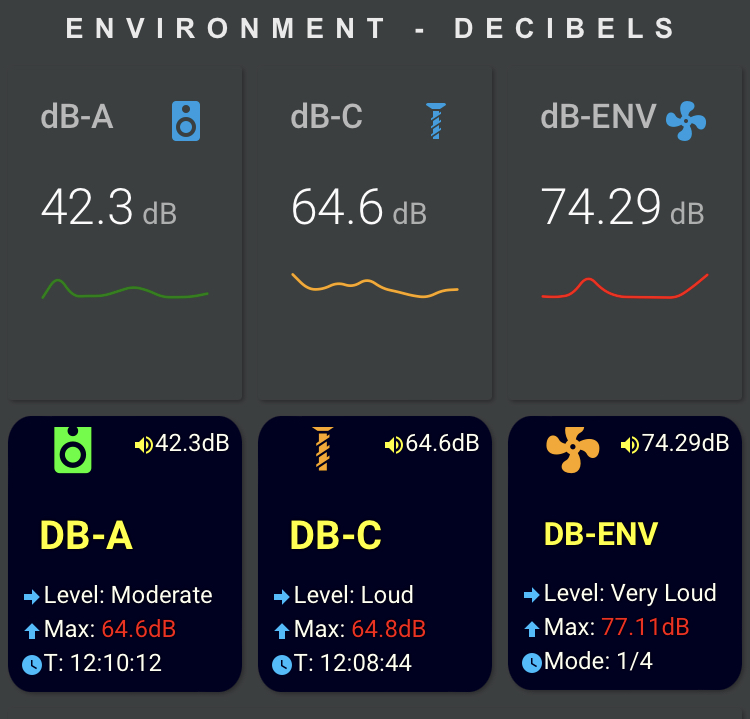
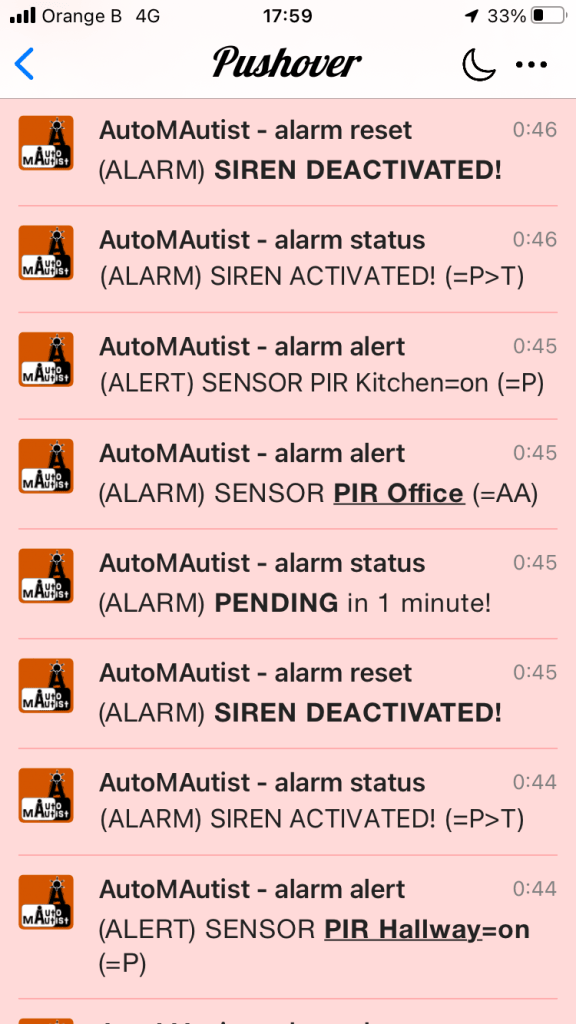
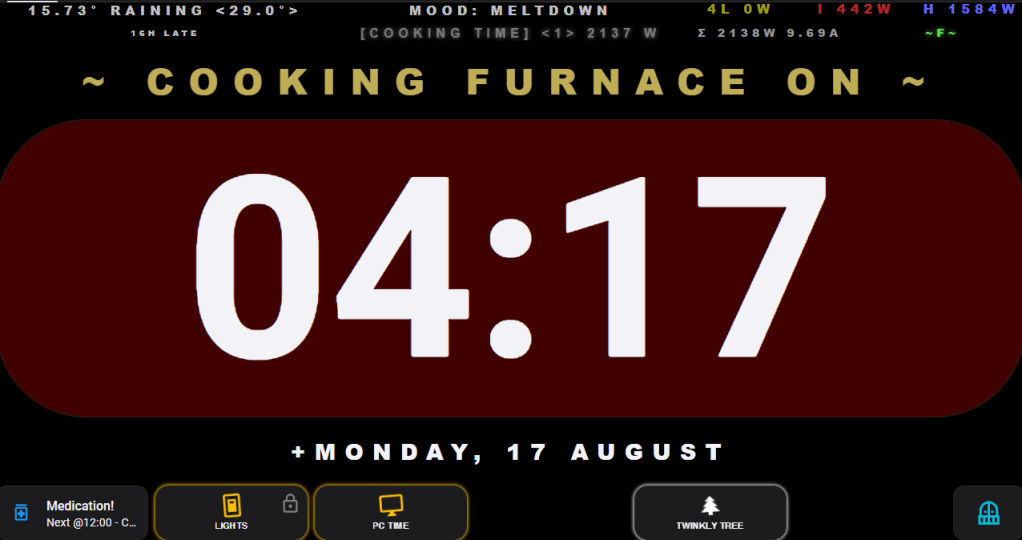
Added are a few more photos of AutoMAutist from back till now. None of the data in the pictures is still in use, so they make perfect examples how the development was in the past and how I expect it to become in the present.